Baby changing bags serve as the central hub for every outing with an infant. A well-organised bag eliminates the stress of managing feeds, hygiene, and comfort while away from home. Standard backpacks often lack the specific compartments needed to separate sterile feeding equipment from soiled nappies. High-quality designs prioritise ergonomic weight distribution and quick-access pockets to keep parents mobile. Investing in a dedicated platform ensures that essential supplies remain accessible and sanitary throughout the day. Direct Care stocks a range of durable changing bags that combine technical functionality with practical layouts for UK families.
Essential Nappy Changing Supplies and Portable Mats
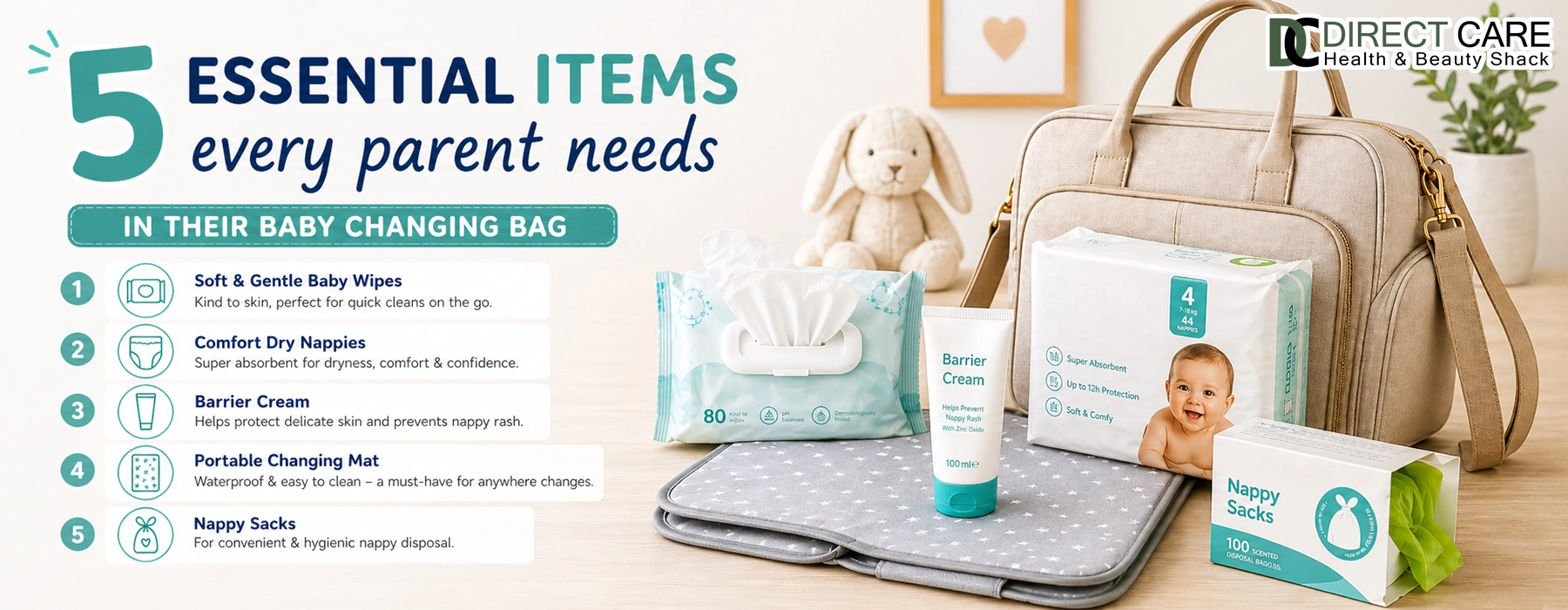
- Pack one nappy for every two hours spent away from home, plus two additional spares for unexpected emergencies. This volume prevents the frantic search for a local chemist or supermarket during a messy situation.
- Most baby changing bags include a dedicated waterproof changing mat that folds out to provide a clean surface. Using a personal mat ensures a hygienic barrier between the infant and public changing tables or outdoor surfaces.
- Check nappy sizes every few weeks to ensure the spares kept in the bag still fit the growing child. Outgrown nappies cause leaks and discomfort, undermining the purpose of carrying a mobile kit.
- Position the changing mat and nappies in the largest main compartment for immediate retrieval. Fast access proves vital when managing an active infant on a cramped changing station.
- Separate clean nappies from used items by utilising internal mesh dividers or zipped pouches. This organisation maintains a high standard of hygiene and allows for a quick visual inventory of remaining supplies.
Sensitive Wipes and Protective Barrier Creams
- Select baby wipes free from alcohol and synthetic fragrances to protect sensitive skin from irritation. A full pack handles multiple tasks beyond nappy changes, including cleaning messy hands or refreshing a tired parent.
- Apply a thin layer of barrier ointment during every change to protect the skin from moisture and friction. Carrying a small tube in the bag prevents nappy rash during long journeys where a change might be slightly delayed.
- Ensure wipe packets remain sealed after every use to prevent the contents from drying out and becoming useless. Many baby changing bags feature insulated side pockets designed specifically to hold standard wipe packs for one-handed access.
- Keep a dedicated pack of wipes in an exterior pocket for cleaning spills or messy play. This placement allows for rapid cleanup without the need to dig through the primary storage area.
- Use travel-sized tubes of barrier cream to save internal space and reduce the overall weight of the bag. Minimising the bulk of individual items leaves more room for spare clothing and feeding accessories.
Spare Clothing Sets for Weather and Accidents
- Include a complete change of clothes, including a vest, sleepsuit, and spare socks, to manage “blowouts” or major spills. Storing these items in a waterproof dry bag keeps them clean and ready for immediate use.
- Pack an extra layer, such as a lightweight cardigan or a small blanket, to accommodate unpredictable British weather. Having a spare layer ensures the child remains comfortable in air-conditioned shops or breezy public parks.
- Choose emergency outfits with simple poppers or zips to make dressing the baby in public facilities as fast as possible. Avoiding complex buttons reduces the time spent on a changing table and minimises stress for the child.
- Carry at least two clean muslin squares to protect clothing during burping or to provide a discreet cover during feeding. These versatile cloths also serve as an emergency sunshade or a soft surface for the baby to rest on.
- Audit the size of the spare clothing set once a month as infants outgrow their current wardrobe rapidly. Ensuring the backup outfit fits correctly prevents a secondary crisis if the primary clothing becomes soiled.
Feeding Equipment and Anti-Colic Bottle Storage
- Organise formula dispensers, expressed breast milk, or water based on the child’s specific feeding schedule. Insulated pockets within the baby changing bag maintain the required temperature of the milk for several hours while travelling.
- Utilise anti-colic bottles, such as those from NUK, to reduce the amount of air the infant swallows during a feed. This technical feature prevents gas and discomfort, leading to a calmer experience for both parent and child.
- Keep at least two sterilised dummies in a dedicated protective case within an easy-reach pocket. Providing a clean soother offers immediate comfort if the original is dropped or lost during an outing.
- Pack small, leak-proof containers of finger foods for older infants who have started weaning. Having healthy snacks readily available prevents hunger-related irritability during long shopping trips or errands.
- Maintain a separate section for feeding supplies to keep them away from nappy changing items. This physical separation prevents cross-contamination and ensures that feeding remains a hygienic process.
Hygienic Disposal and Antibacterial Hand Care
- Carry scented nappy sacks or biodegradable bags to contain odours and mess after a change. These sacks prove essential when using facilities that lack a dedicated bin for soiled nappies.
- Keep antibacterial hand gel in an external pocket for immediate use before and after handling the baby. Choosing a gentle, alcohol-free formula protects the parent’s hands from drying out during frequent use.
- Use a waterproof “wet bag” to isolate soiled clothing from the rest of the contents in the changing bag. This prevents dampness and bacteria from spreading to clean nappies or feeding equipment.
- Spray a small amount of surface sanitiser on public changing tables before laying down the portable mat. This additional step provides a layer of protection against germs in high-traffic public restrooms.
- Dispose of all waste responsibly by carrying used nappies until a suitable bin becomes available. Double-bagging soiled items ensures the interior of the bag stays fresh and free from unpleasant smells.
Ergonomic Design and Parent Comfort
- Select a bag with wide, padded shoulder straps to distribute the weight evenly across the back. Ergonomic designs prevent strain and allow for long periods of carrying without physical discomfort.
- Integrate stroller clips to attach the bag directly to the handlebars of the pram. This feature removes the weight from the parent’s shoulders while keeping all essential items within arm’s reach.
- Durable, wipe-clean fabrics protect the bag from spills and weather damage over time. Choosing a high-quality material ensures the bag survives the daily wear and tear of multiple years of use.
- Multiple external pockets allow for the separate storage of parent essentials like keys, phones, and wallets. Keeping personal items separate from baby supplies prevents the need to search through nappies to find a house key.
- Neutral colours and streamlined designs allow both parents to use the bag comfortably. A versatile aesthetic ensures the bag remains a practical tool for various outings, from park visits to formal family events.
Advanced Organisation and Internal Mapping
- Assign a specific pocket to every item to create a consistent “map” of the bag’s interior. Knowing exactly where each supply sits allows for one-handed retrieval while holding an infant.
- Use transparent pouches for small items like nail clippers, thermometers, or medicine dispensers. Clear storage makes it easy to identify specific tools without emptying the entire compartment.
- Check the bag’s inventory every evening to restock nappies, wipes, and snacks for the following day. A consistent restocking routine prevents the frustration of discovering an empty bag when leaving the house in a hurry.
- Insulated bottle holders should feature a secure zip or drawstring to prevent heat loss. These dedicated spaces protect other items in the bag from potential leaks or condensation.
- A light-coloured interior lining helps parents find dark items quickly in low-light environments. This simple design feature improves the usability of the bag during evening outings or in dimly lit changing rooms.
Transitioning the Bag for Toddlers and Beyond
- Swap out newborn nappies for pull-up pants as the child gains independence and starts potty training. The changing bag remains a vital tool for carrying spare underwear and training seats during this transition.
- Replace formula dispensers with robust water bottles and a wider variety of solid snacks. Toddlers require more frequent hydration and nutrition, making accessible food storage a priority.
- Include a small selection of compact toys or books to keep an older child entertained during wait times. Having a “boredom buster” pocket helps manage public outings more effectively.
- Adapt the clothing set to include more durable outdoor wear for children who have started walking. Spare trousers and sturdy socks become more important than sleepsuits as the child explores their environment.
- The baby changing bag eventually evolves into a general family pack for day trips. High-quality designs remain functional long after the nappy phase, serving as a reliable storage solution for school runs and holidays.
Browse Our Collection and Shop Baby Changing Bags
A reliable changing bag acts as the foundation for successful outings with an infant. Choosing a design that prioritises hygiene, organisation, and comfort allows parents to focus on their child rather than managing clutter. Direct Care provides a range of branded changing bags tailored to the needs of modern families. These bags feature waterproof materials, insulated pockets, and ergonomic straps to handle the demands of daily use. Browse through our collection and shop for baby changing bags to find a durable solution for your travel needs. Our selection supports parents across the UK with fast delivery and high-quality gear.