Some days move fast, and disposable moments come at awkward times—in a shared bathroom, at a friend’s house, or during a commute. Worry about odour or privacy can add pressure that nobody needs. A clear, simple routine removes that stress and keeps control in the hands of users and caregivers. This guide shares eight discreet, practical steps that work at home and away, with items that pack small and habits that repeat easily. Each tip shows what to use, where to keep it, and how to act quickly without drawing attention. The result is clean spaces, quiet confidence, and zero disruption.
Use a dedicated bin at home
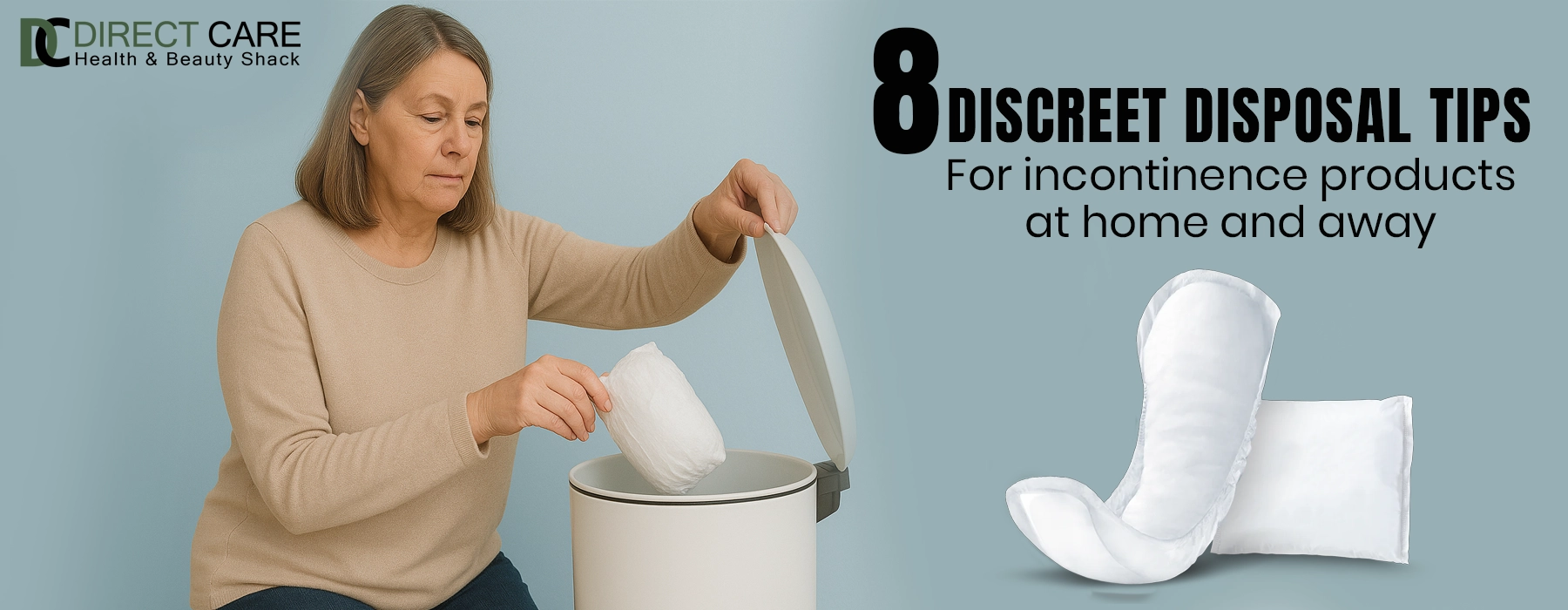
- Place a small pedal bin with a tight lid in the bathroom, utility room, or next to the changing area to keep disposal private and close at hand.
- Line the bin with a sturdy, opaque liner; store spare liners at the base of the bin so replacements are always within reach.
- Choose a size that matches daily use; a compact bin encourages frequent emptying and reduces odour build-up.
- Wipe the bin rim and lid daily with a disinfectant wipe; deep-clean weekly with warm soapy water and dry fully before relining.
- Position an odour absorber (carbon filter or gel) under the liner to neutralise smells between empties.
Roll, tuck, and secure before bagging
- Tear pull-up side seams to remove cleanly; for pads, fold soiled side inward to contain moisture and reduce exposed area.
- Roll tightly from front to back; compress air out as rolling to reduce volume and prevent “ballooning” in the bag.
- Use built-in adhesive tabs to lock the roll; if tabs are missing, use a small strip of tape kept with supplies.
- For larger briefs, fold sides inward first, then roll to create a dense, compact package that fits small disposal bags.
- Keep hand wipes nearby to clean hands and surfaces immediately after rolling.
Use specialised incontinence disposal bags
- Choose opaque, tie-handle bags sized for adult products; scented options can help mask odours without heavy fragrance.
- Double-bag only for very wet items or long disposal gaps; otherwise, a single high-quality bag is enough and reduces waste.
- Expel excess air from the bag before tying a tight knot; a flat, sealed bag is less noticeable in shared bins.
- Store 5–10 spare bags in a small pouch in the bathroom and the go-bag; restock weekly so supplies never run out.
- If noise is a concern, use soft-touch bags that open and tie quietly.
Empty the bin on a set schedule
- Empty daily in most homes; increase frequency during hot weather or higher use to prevent odour and overflow.
- Tie liners securely and take them straight to the outdoor general waste bin; do not leave tied bags in hallways or utility rooms.
- Keep a spare liner roll on a hook near the bin so relining happens immediately after emptying.
- Wear disposable gloves when removing liners; wash hands with soap and water for 20 seconds after disposal.
- Log a simple routine (e.g., “8 pm every day”) that all household carers follow to keep hygiene consistent.
Carry a discreet go‑bag when away
- Pack a zipped pouch with 2–3 spare products, 3–5 opaque disposal bags, travel wipes, hand sanitiser, and a spare underwear.
- Add a foldable, sealable sleeve or small airtight container for situations with no bin; empty discreetly in the next suitable bin.
- Keep a micro‑pack in the car glove compartment and a second in a work drawer to avoid last‑minute scrambles.
- Choose a neutral pouch that looks like a toiletries bag; avoid transparent organisers in shared settings.
- Refill the kit every Sunday; add a note to the weekly shopping list for bags and wipes.
Control odours at the source
- Use products with odour‑control cores when possible; change promptly at signs of saturation to stay ahead of smells.
- Place a carbon filter or deodorising disc at the base of the home bin; replace monthly or as directed.
- Keep a travel‑size odour‑neutralising spray (not heavy perfume) to freshen a bathroom after a change.
- Lightly close the lid, then fully seal after placing items to avoid trapping air that pushes odour out.
- Store spare products in a cool, dry cupboard; heat and humidity can amplify smells.
Follow local disposal rules (UK)
- Double‑bag used incontinence products and place in general waste unless the local authority provides clinical waste collection.
- If infection control applies, ask the council about a separate clinical waste service (often yellow bags and scheduled pick‑ups).
- Never place incontinence products in recycling or food waste streams; always use general waste unless told otherwise.
- Keep council bin day visible on a wall calendar; time home bin emptying to the night before collection.
- If living in flats, use the designated refuse store and avoid leaving bags in communal corridors.
Never flush pads, pull‑ups, or briefs
- Do not flush any incontinence product; they do not break down and cause plumbing blockages and sewer overflows.
- Only flush toilet paper and human waste; everything else goes in a lined bin with the lid closed.
- For wipes, use bin‑safe varieties; if a wipe claims “flushable,” treat it as bin‑only to protect pipes and drains.
- Post a small, discreet reminder in the bathroom used for changes if multiple carers or visitors assist.
- Keep the bin within arm’s reach of the toilet or changing area to remove any temptation to flush.
Buy disposable incontinence
Shop discreet disposable incontinence products that make daily care simple and hygienic. Choose from opaque tie-handle bags, compact pedal bins with secure lids, and odour-control options to maintain freshness and comfort. Keep a small travel kit ready with spare products and wipes for confidence on the go. Browse our Incontinence Disposables collection to compare sizes, absorbencies, and delivery options across the UK. Build a routine that fits your lifestyle and makes disposal the smoothest part of your day.