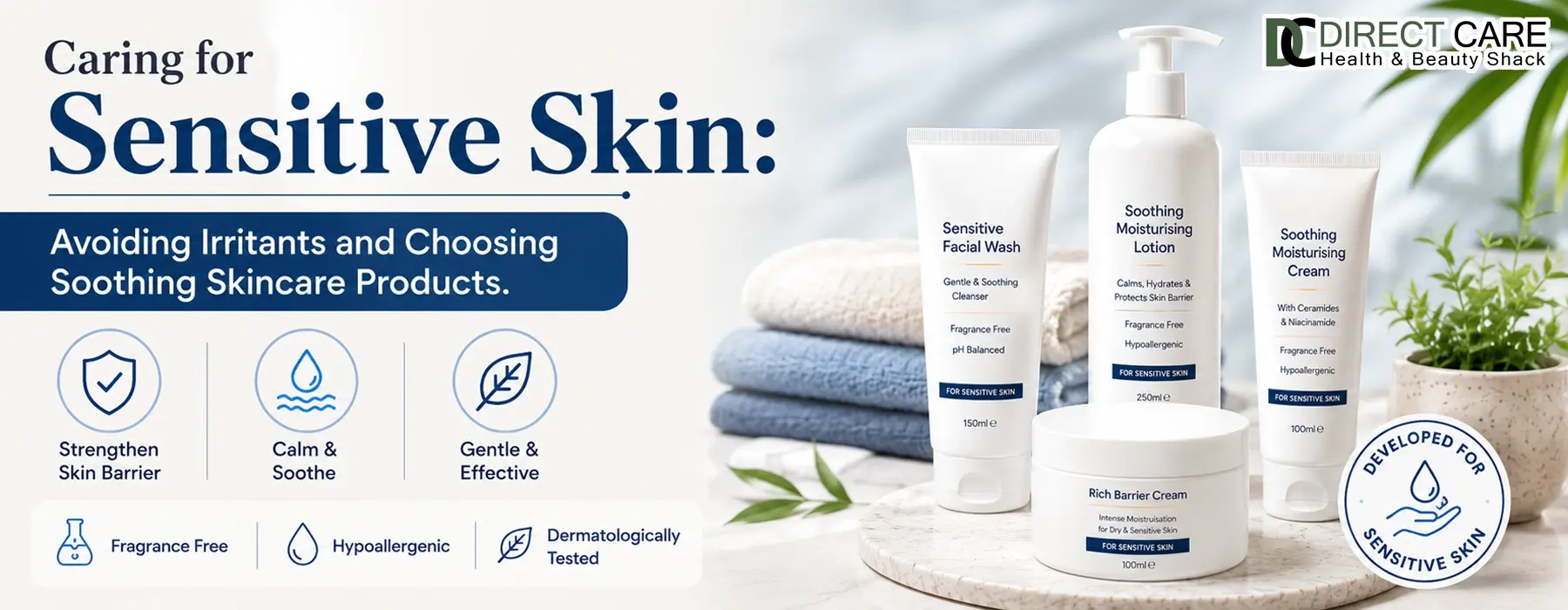
You spend thirty pounds on a moisturiser labelled "gentle" and "dermatologist-tested." You apply it before bed. Ten minutes later, your face burns, turns bright red, and feels tighter than before. Managing reactive skin involves much more than guessing in the high-street chemist or relying on front-label marketing. It requires a strict understanding of your biological defence system. When your face stings from applying plain tap water, you have a broken skin barrier. Fixing this problem demands a calculated, scientific strategy. You must eliminate hidden chemical triggers from your bathroom cabinet and supply the exact structural lipids your cells need to rebuild and defend themselves against environmental stress.
The Mechanics of a Compromised Skin Barrier
Your skin functions as a physical shield against the outside world. Understanding this microscopic architecture provides the foundation for treating sensitivity effectively. Think of the outermost layer of your epidermis as a brick wall.
-
The structural foundation: Your skin cells act as the solid bricks in this wall, while your natural lipids form the flexible mortar holding everything securely together. This structure keeps moisture inside and keeps pathogens out.
-
The acid mantle shield: A fine, slightly acidic film sits above this lipid barrier. This acidity naturally repels harmful bacteria and keeps your surface microbiome perfectly balanced, operating at a pH level between 4.5 and 5.5.
-
The sensitisation process: Sensitivity rarely exists as a permanent genetic trait. Harsh winter weather, indoor central heating, and aggressive cosmetic routines dissolve your protective lipids, shifting your skin into a temporary state of extreme vulnerability.
-
The trigger effect: When the lipid mortar breaks down, microscopic cracks form across your surface. Surface moisture escapes rapidly through these gaps in a process called trans-epidermal water loss, leaving the tissue parched and fragile.
-
The inflammation cycle: External irritants easily penetrate these open microscopic cracks. Your immune system detects these invaders and triggers immediate inflammation, resulting in visible flushing, persistent itching, and a deep burning sensation.
Chemical Triggers to Eliminate Immediately
Flipping the bottle and reading the ingredient list serves as your primary defence against flare-ups. Brands pack cosmetics with cheap texture enhancers and masking agents that actively destroy your barrier function.
-
Artificial fragrances: Spritzing a sun-kissed vanilla or cherry blossom perfume body mist over your chest provides a great sensory experience, but artificial perfumes cause massive contact dermatitis on compromised skin. Always seek products explicitly labelled "fragrance-free." Unscented products often contain hidden chemical masking agents.
-
Volatile essential oils: Natural does not equal safe. Highly concentrated botanical oils like lavender, citrus, and eucalyptus trigger the same allergic reactions as synthetic perfumes. They provide a pleasant smell but offer absolutely zero biological benefit to your cells.
-
Harsh physical scrubs: You might enjoy the heavy physical exfoliation of a coffee-based body scrub on your legs, but scrubbing your face with abrasive particles creates severe micro-tears in a fragile epidermis. These microscopic tears allow bacteria to enter, leading to painful breakouts alongside the initial redness.
-
Aggressive surfactants: Sodium Lauryl Sulphate (SLS) creates the thick lather in standard foaming face washes. This chemical violently strips away your natural lipids and proteins. Squeaky-clean skin actually indicates severe dehydration, not effective cleansing.
-
Volatile drying alcohols: Ingredients like denatured alcohol give fluid products a weightless finish. These alcohols evaporate your surface moisture instantly upon application, causing immediate stinging on raw patches and accelerating long-term dryness.
-
Chemical UV filters: Traditional chemical sunscreens absorb UV rays and convert them into heat. This trapped heat aggravates underlying redness and triggers flushing in highly reactive complexions, particularly for those managing rosacea.
Formulations That Repair and Protect
Once you clear the irritants from your daily routine, you must supply specialised structural support. The right calming ingredients restore balance, trap moisture, and build long-term resilience against daily wear and tear.
-
Structural ceramides: To fix the broken mortar in your skin barrier, you must apply identical structural lipids. Targeted facial serums loaded with ceramides and peptides rebuild this missing mortar and stop ongoing moisture loss entirely.
-
Moisture-binding humectants: Ingredients like hyaluronic acid and glycerin act as microscopic sponges. They draw ambient water deep into your upper epidermal layers without clogging your pores or triggering immune responses.
-
Niacinamide support: This highly stable form of Vitamin B3 actively boosts your natural production of ceramides while shrinking the visible redness associated with broken surface capillaries. It reinforces the wall from the inside out.
-
Proven calmatives: Colloidal oatmeal binds directly to the skin surface to lock in moisture and neutralise radiating heat. Allantoin, extracted from the comfrey plant, cools reactive tissue and accelerates the natural cell healing cycle.
-
Centella Asiatica: Known as cica in the beauty industry, this botanical extract actively lowers skin reactivity, reduces intense itching, and repairs minor surface wounds caused by excessive scratching.
-
Panthenol (Vitamin B5): This essential vitamin operates as both a humectant and an emollient. It pulls moisture into the skin while smoothing rough, irritated, and flaking textures, helping the surface look plump and healthy.
Building a Sensitised Skin Routine
Applying the right ingredients in the correct order maximises their soothing potential. A reactive skincare routine demands absolute simplicity and unwavering consistency to yield real results.
-
Temperature control: Wash your face twice daily using lukewarm water. Hot water melts away your protective oils, while freezing water shocks your capillaries and increases facial flushing. Always test the water on the inside of your wrist first.
-
Gentle cleansing: Swap foaming gels for non-lathering cream cleansers or cleansing milks. These formulas dissolve daily dirt and standard makeup while leaving your fragile lipid barrier entirely intact.
-
Frictionless drying: Never rub your face with a standard bath towel. The rough cotton loops drag across the skin and cause micro-abrasions. Pat your face gently with a clean microfibre cloth to absorb excess drips.
-
Damp application: Apply your soothing serums while your skin remains slightly damp from the sink. This excess water increases the absorption rate of your humectants, pulling maximum moisture down into the tissue.
-
Barrier sealing: Immediately massage a rich, ceramide-infused moisturiser over your treatment layer. This final step locks the hydration inside the skin and physically blocks environmental pollutants from entering your open pores.
-
Mineral defence: Finish your morning routine with a mineral-based sunscreen utilising zinc oxide or titanium dioxide. These physical filters sit gently on top of the skin and deflect UV rays away from your face without generating internal heat.
Safe Product Testing and Integration
Buying the right clinical products only solves half the problem. The method you use to introduce these new formulations dictates your overall success. Rushing to apply multiple new creams simultaneously creates chaos if an allergic reaction occurs.
-
The strict patch test: Never apply a completely new formulation directly to your entire face. Rub a small amount onto a discreet area, such as your inner forearm or directly behind your ear.
-
The waiting period: Leave the test patch completely untouched and unwashed for forty-eight hours. Monitor the exact spot for intense itching, spreading redness, or small raised bumps that indicate a reaction.
-
The isolation rule: Introduce only one new skincare product into your routine at a time. Maintain this strict isolation for two full weeks before adding another step to your regimen.
-
Trigger tracking: This disciplined approach makes it incredibly easy to monitor your skin's daily response. If a breakout occurs, you know exactly which bottle caused the problem without any second-guessing.
-
Reaction management: If a product causes a flare-up, stop using it immediately. Wash the area gently with cool water and apply a trusted calmative like plain aloe vera gel or a mild hydrocortisone cream until the inflammation completely subsides.
Calming reactive skin requires patience and strict ingredient safety. You heal your skin naturally by eliminating synthetic fragrances, aggressive surfactants, and drying alcohols. Prioritising ceramides, glycerin, and proven calming agents guarantees long-lasting comfort and robust protection against daily environmental stress. Stop guessing with high-street labels and start building a resilient, healthy skin barrier based on dermatological facts.
Browse Through The Collection And Buy Now
Upgrade your regimen with formulations designed specifically for delicate complexions. Stop settling for irritation and ineffective protection. Browse through our curated collection of soothing, dermatologist-approved skincare products from top brands. Source your ideal match, the catalogue features gentle cleansers, ceramide moisturisers, and barrier-repair serums to suit your specific recovery needs. We have it all in stock to help maintain your skin year in year out.