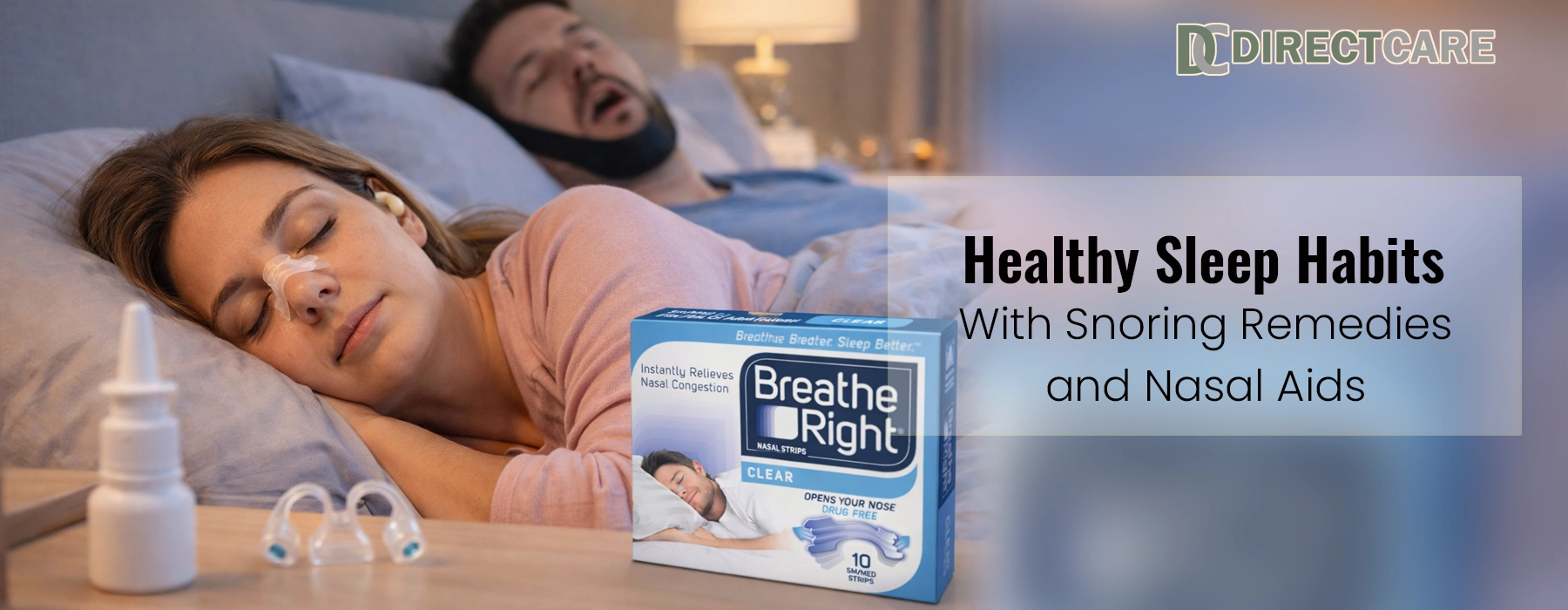
You switch off the light and expect rest. Minutes pass, and the room fills with a sound that breaks the calm. Your partner shifts, you shift, and sleep starts to feel like work. In the morning, you remember the tired feeling more than the night itself. Snoring often becomes a cycle: broken sleep, less energy, and increased tension at bedtime. You want a plan that feels clear, not clinical. You also want products that match the problem, not a random fix. This guide explains healthy sleep habits and practical snoring remedies, with a focus on nasal aids and simple, adult-friendly options.
Start with the root cause
-
Snoring starts when air meets resistance in the nose, mouth, or throat, and soft tissue vibrates during each breath.
-
A blocked nose often forces mouth breathing, and mouth breathing often makes snoring louder and more frequent.
-
Sleeping on your back allows the tongue and soft palate to fall towards the airway, which narrows the space and increases snoring.
-
Alcohol close to bedtime relaxes airway muscles and changes breathing patterns, so even light snorers often sound louder after drinks.
-
Loud, nightly snoring with choking, gasping, or pauses in breathing suggests more than “simple snoring” and needs timely medical assessment.
Build healthy sleep habits first
-
Set a fixed wake time and keep it steady through the week, because regular timing trains your body clock and reduces light, shallow sleep.
-
Create a short wind-down routine that you repeat each night, such as a warm shower, low lighting, and ten minutes of quiet reading away from screens.
-
Leave a gap of at least two to three hours between heavy meals and bedtime, since reflux and throat irritation often make snoring and waking worse.
-
Keep the bedroom cool, dark, and quiet so you reach deeper sleep stages, which can reduce restless movement and nighttime awakenings.
-
Clear mild nasal congestion before bed with simple measures like saline sprays or a steamy shower, so you start the night with easier nasal breathing.
Use nasal aids to support clearer airflow
-
Choose external nasal strips when your nostrils feel narrow or collapse as you breathe in, because the strip gently lifts the sides of the nose to widen the passage.
-
Consider internal nasal dilators when you feel resistance just inside the nose, since these devices sit in the nostrils and hold the nasal valve open.
-
Pair nasal aids with saline sprays or rinses when dryness or mild congestion appears, so the lining of the nose stays moist and less irritable overnight.
-
Test one nasal aid at a time for at least a week while you keep other habits steady, then note changes in snoring loudness, mouth breathing, and morning alertness.
-
Keep expectations realistic, because studies show nasal dilators help some people with primary snoring but do not solve all causes and do not treat sleep apnoea.
Try oral anti-snoring mouthpieces when appropriate
-
Consider an oral anti-snoring mouthpiece when snoring mainly comes from the mouth and throat, and you do not have known jaw or dental problems.
-
Pick designs that hold the lower jaw slightly forward or stabilise tongue position, as these mechanisms help keep the airway behind the tongue more open.
-
Introduce the device gradually by wearing it for short periods in the evening before full nights, so your jaw and gums adjust without unnecessary soreness.
-
Clean the mouthpiece after each use with cool water and mild cleaning guidance from the manufacturer, then allow it to dry fully before storage.
-
Avoid self-fitting oral devices if you have loose teeth, jaw joint pain, or suspected sleep apnoea, and ask a dentist or clinician for advice first.
Use positional supports to change how you sleep
-
Try side sleeping if snoring gets worse on your back, since side positions often reduce airway collapse for many adults with position-dependent snoring.
-
Use positional pillows, wedges, or wearable supports that discourage rolling onto your back and help you maintain a side posture throughout the night.
-
Raise the head of the bed slightly if reflux or nasal blockage troubles you when you lie flat, as gentle elevation can ease drainage and throat comfort.
-
Stick with one positional approach for several nights and ask a partner to note changes in snoring volume, pauses, and restlessness.
-
Combine positional tools with a nasal aid if you notice both back-sleeping and nasal blockage, so you support airflow along the full breathing pathway.
Use sprays and remedies to support bedtime comfort
-
Choose snoring throat sprays that coat the soft palate and throat when vibration seems to come from this area, and simple dryness worsens noise.
-
Use nasal sprays or saline mists to soften and clear the nose when congestion plays a clear role, and follow the instructions for how often to use them.
-
Avoid exceeding the recommended frequency of decongestant sprays, because overuse can irritate the lining of the nose and cause blockage rebound.
-
Build a simple pre-sleep sequence—clear the nose, apply the chosen aid, set your sleeping position—so you avoid scrambling at lights-out.
-
Stop any spray or remedy that causes burning, pain, rash, or swelling, and seek advice if symptoms persist or breathing feels harder.
Add sleep comfort accessories that protect rest
-
Use comfortable earplugs or a white-noise source when a partner’s snoring disturbs you, as sound control often lowers stress and frustration at bedtime.
-
Wear an eye mask or use blackout curtains if early light wakes you, because light exposure at the wrong time signals your body to end sleep early.
-
Keep phones and bright screens out of the bed area for at least an hour before sleep, since screen light and constant alerts make it harder to switch off.
-
Place a glass of water within reach if you snore with mouth breathing, as a quick sip eases dryness and reduces coughing that breaks sleep.
-
Focus on a small set of repeatable changes rather than a long checklist, because simple routines usually last longer and give clearer feedback.
Stay safe and know when to seek help
-
Treat snoring aids and nasal devices as adult products, and always check age guidance and contraindications before use.
-
Read and follow the instructions for fitting, cleaning, and replacement, as poor use often leads to discomfort and disappointing results.
-
Do not rely on snoring remedies alone if someone notices pauses in your breathing, choking, or gasping during sleep, or if you wake with headaches or severe tiredness.
-
Book a GP or sleep clinic review when snoring is very loud, occurs most nights, or worsens alongside health conditions such as heart, lung, or metabolic disease.
-
Seek urgent advice if severe breathlessness, chest pain, or sudden worsening symptoms appear at night, and follow medical guidance before you continue any snoring aid.
Explore adult sleep and snoring support
Direct Care offers a range of adult Sleep & Snoring products that support more comfortable nights, including oral anti-snoring mouthpieces, nasal strips and dilators, sprays, positional pillows, and sleep comfort accessories. You can browse the Sleep & Snoring category to compare these options side by side and choose an approach that matches your main trigger, such as nasal blockage, back sleeping, or dry mouth. Always follow the instructions supplied with each product and speak to a healthcare professional if snoring stays severe, persistent, or links with choking, gasping, or breathing pauses.