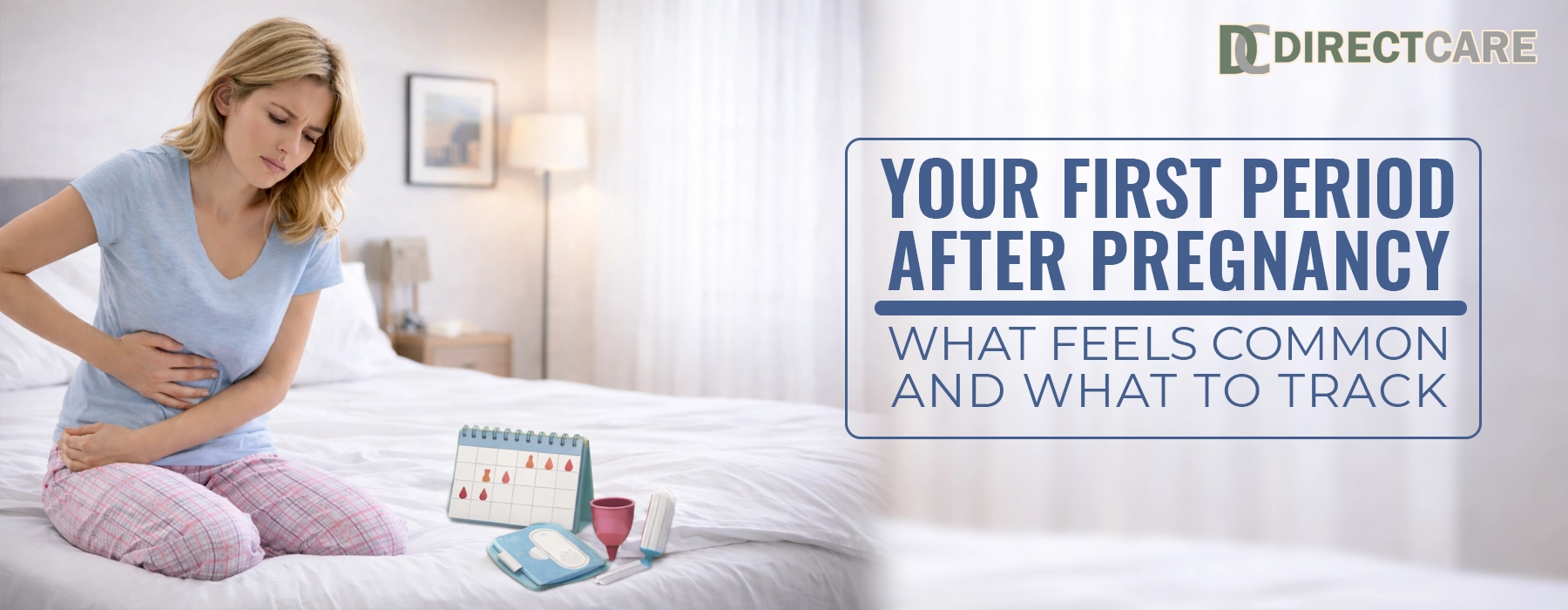
You spend nine months without a cycle. Then, you navigate the weeks of postpartum bleeding immediately after birth. Just as you settle into a routine with your baby, you notice that familiar cramping or a spot of bright red blood. It catches many new mothers off guard. You wonder if it is too soon, if the flow is too heavy, or if your body is healing correctly. The return of your menstruation marks a major shift in your postpartum recovery. It signals that your hormones are shifting again. Understanding these changes helps you manage your health while you care for your newborn.
When to expect your cycle to return
Your timeline for menstruation depends heavily on how you feed your baby. Hormones play the central role here, specifically the interaction between milk production and ovulation.
- Formula feeding and hormone resets
Women who bottle-feed exclusively often see their period return quickly. Your body does not produce the high levels of prolactin required to suppress the reproductive cycle. Most formula-feeding mothers experience their first period between six and eight weeks postpartum. If you do not breastfeed, your ovaries resume their normal function and release an egg (ovulation) relatively soon after delivery. - Breastfeeding and the prolactin effect
Breastfeeding acts as a temporary pause button for your cycle. The hormone prolactin, which stimulates milk production, actively inhibits the hormones that trigger ovulation. If you breastfeed exclusively (meaning baby feeds on demand, day and night, with no other liquids or solids), you might not see a period for six months or even longer. This condition is known as lactational amenorrhoea. - Mixed feeding creates a variable timeline
If you combine breast milk with formula or introduce a bottle occasionally, your hormone levels fluctuate. This makes your timeline less predictable. You might get your period as early as six weeks or it might take four months. As soon as you drop a night feed or increase the time between breastfeeding sessions, your prolactin levels drop. This dip signals your body to restart the menstrual cycle.
Common changes to your flow and symptoms
Your first few periods after childbirth rarely look or feel like your periods before pregnancy. Your uterus has grown, stretched, and gone through a massive recovery process.
- Heavier flow and increased volume
Expect a heavier bleed than usual. Your uterine cavity is larger than it was before you conceived. It also has a thicker lining to shed during that first renewed cycle. Many women find they need maternity pads or high-absorbency products for the first two or three cycles. This volume typically decreases as your body returns to its hormonal baseline over time. - Changes in cramping intensity
The sensation of cramping shifts for many women. Some experience more intense pain because the uterus contracts vigorously to shed the lining. Others find relief. If you suffered from a tight cervix before pregnancy, the process of giving birth stretches the cervix, which can reduce the pain of menstrual blood passing through. - Cycle irregularity is the new normal
Do not expect a 28-day clockwork cycle immediately. You might have one period, then a gap of two months, then another period. Your body works to balance estrogen, progesterone, and prolactin. This irregularity is common, especially if you are still producing breast milk. It takes time for the ovaries to release eggs on a consistent schedule. - Passing small blood clots
You might notice small clots in the menstrual blood. This happens because the blood pools in the uterus before leaving the body, or because the lining sheds in larger pieces. Clots the size of a grape or smaller are generally considered a normal part of this postpartum shedding process.
Lochia vs. your actual period
Confusion often arises between lochia (post-birth bleeding) and the return of menstruation. Distinguishing between the two ensures you track your recovery accurately.
- Defining lochia
Lochia is the discharge you experience immediately after giving birth. It consists of blood, mucus, and uterine tissue. It starts as bright red heavy bleeding, fades to a pinkish or brown colour after a week, and eventually turns into a yellowish-white discharge. This process lasts anywhere from two to six weeks. - Identifying the “gap”
The clearest sign of a period is a gap in bleeding. If your lochia fades away completely and you have no discharge for a week or two, and then you suddenly experience bright red bleeding, this is likely your first period. Lochia does not stop and then restart with high intensity unless you overexert yourself, but a period begins a fresh cycle of bleeding. - The scent difference
Lochia has a distinct, sweet, or metallic scent that differs from normal menstrual blood. A true period smells like the periods you had before pregnancy. If you notice a foul or fishy odour at any point, this is not a period symptom; it is a sign to contact a doctor regarding a potential infection.
What to track (and why it helps)
Your doctor or health visitor will ask about your recovery. keeping a simple record helps you answer their questions and spots patterns early.
- Monitor flow intensity daily
Track how many pads or tampons you use in a 24-hour window. Note if you need to change them every two hours or every four hours. This data helps you distinguish between a heavy postpartum period and a haemorrhage. It also helps you prepare the right supplies for your next cycle. - Log cycle dates and length
Record the start and end date of every bleed. Even if the dates seem random now, a pattern eventually emerges. This record helps you identify if your cycle is shortening or lengthening over time. It also provides essential information if you plan to discuss contraception or future pregnancies with your GP. - Track mood and emotional shifts
Postpartum hormones are potent. When you add pre-menstrual syndrome (PMS) to sleep deprivation and new-mum stress, emotions run high. Note your mood swings in a journal. This helps you separate standard PMS irritability from signs of postnatal depression. If low moods persist throughout the month and not just before your bleed, you know to seek support. - Record pain levels
Write down when cramps occur and how severe they feel. Note if over-the-counter pain relief helps. If you find the pain debilitating or if it prevents you from caring for your baby, you need to share this with your healthcare provider. It could indicate issues like retained placenta or infection rather than standard period pain.
Red flags: when to see a GP
While most changes are normal, certain symptoms indicate your body needs medical attention. You must act if you see these warning signs.
- Excessive and rapid bleeding
Pay attention to the rate of blood loss. If you soak through a standard pad in less than an hour, or if this happens for two consecutive hours, seek help. This level of bleeding is too heavy for a standard period and risks causing anaemia or shock. - Large clots
While small clots are common, large ones are not. If you pass a clot larger than a 50p coin or the size of a golf ball, contact your GP or midwife. This suggests your uterus is having trouble contracting or that tissue remains inside. - Fever or flu-like symptoms
A period should not make you feel feverish. If you develop a high temperature, chills, or generally feel unwell alongside the bleeding, this points to an infection such as endometritis (infection of the womb lining). This requires antibiotic treatment. - Severe pain on urination
Period cramps sit in the abdomen or lower back. If you feel burning or sharp pain when you pee, this is not related to menstruation. It indicates a urinary tract infection or a bladder issue that needs assessment.
Shop Baby & Child Essentials
Managing your recovery takes time and energy. You deserve a routine that feels simple and stress-free. While you track your health, let us handle the supplies your little one needs. Whether you need nappies, wipes, skincare, or feeding accessories, we deliver trusted brands directly to your doorstep. You save time on shopping trips and focus on settling into your new normal.