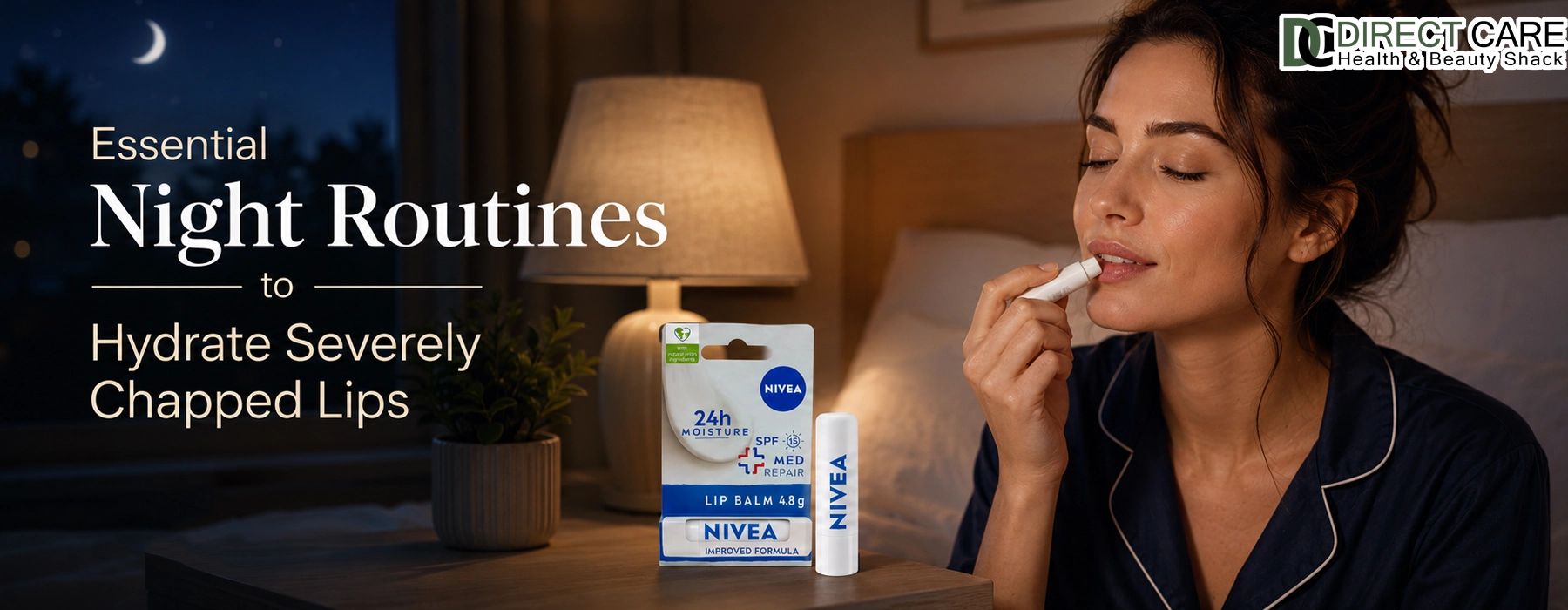
By bedtime, cracked lips can turn every small movement into a sting. A sip of water pulls at the corners. Toothpaste burns the edges. Even smiling feels sharp. Severely chapped lips need calm care, not scrubbing or constant product changes. Night gives your lips a quiet window: no meals, no wind, no cups, and less talking. The right routine cleans gently, adds moisture, seals it in, and leaves the skin alone until morning. This guide gives you a focused night routine for hydrated, more comfortable lips, using simple steps you can repeat without overthinking and support steady recovery overnight tonight.
1. Give Lips a Clean Start Before Bed
-
Remove the day from the lip surface: Food, lipstick, gloss, toothpaste, face cream, and drink residue can sit in cracks and make sore areas feel worse. Clean lips give balm or lip oil a smoother base and help the product sit closer to the skin.
-
Use lukewarm water only: Hot water can leave lips feeling tight. Cold water may not loosen residue well. Lukewarm water gives enough comfort for sore lips and keeps the first step gentle.
-
Choose a soft touch: Use a clean fingertip, cotton pad, or soft damp cloth. Move lightly across the lip surface and avoid dragging across split corners. The goal is to clear residue, not polish the lips.
-
Pat the lips dry: Press a towel against the lips and lift it away. Do not rub from side to side. Patting keeps the surface calm and lowers the chance of lifting skin that still needs time.
-
Keep this step short: Severely chapped lips already feel strained. A quick cleanse works better than repeated wiping. Stop once the surface feels clean and ready for balm.
2. Calm Cracks Before Adding Product
-
Skip lip scrubs during active cracking: Scrubs may catch loose flakes and turn small splits into painful marks. Night care works best when it removes friction from the routine.
-
Do not peel dry skin: A flake may look ready to come away, yet it often stays attached at one edge. Pulling can cause bleeding and leave the lips more sensitive by morning.
-
Use a damp press for tightness: Hold a clean, damp cloth against lips for a short moment. This softens the surface without scraping and helps lips feel ready for a hydrating layer.
-
Avoid toothbrush exfoliation: Toothbrush bristles create more pressure than sore lips need. Keep toothbrushes away from cracked lips and let balm soften rough areas overnight.
-
Give corners extra care: The corners of the mouth split easily because they move every time you talk, yawn, eat, or brush your teeth. Keep application light and avoid stretching the mouth open during this step.
3. Apply the First Hydrating Layer
-
Work on slightly damp lips: A little surface moisture helps balm or lip oil spread evenly. This first layer aims to reduce tightness before the final bedtime coat.
-
Use a thin amount first: A small layer stays in place better than a heavy one. Too much product can slide around and transfer to bedding before it supports comfort.
-
Choose a texture that feels calm: Some lips prefer a stick, while others suit a tube, pot, or lip oil. Direct Care’s Lip Care range includes branded lip care products from names such as Blistex, Carmex, ChapStick, Dr PawPaw, Derma V10, Eucerin, and Palmer’s, so readers can match format to routine.
-
Cover the full lip shape: Apply across the centre, edges, and corners. Chapping often sits at the border around the mouth, so the first layer needs to reach that area too.
-
Pause before the next layer: Give the product a moment to settle. This keeps the routine neat and stops the final layer from mixing into a single slippery coat.
4. Seal Comfort with a Richer Bedtime Layer
-
Add a final layer before sleep: The first layer adds comfort; the second layer helps hold it in place. This step matters most when lips feel tight again minutes after applying balm.
-
Focus on edges and corners: Severe dryness often shows along the lip line and at the corners. Dab the final layer there with light pressure.
-
Keep the centre lighter: The centre of the lips transfers product more easily. A slightly lighter touch helps the product stay comfortable through the night.
-
Choose a richer format for bedtime: A balm pot, cream-style balm, or thicker stick often suits the final coat. The aim is steady coverage, not shine or flavour.
-
Avoid a sticky finish: Lips need to feel coated, not heavy. If the product smears onto the pillow straight away, use less the next night.
5. Stop the Overnight Habits That Dry Lips Out
-
Avoid lip licking before sleep: Saliva evaporates quickly and leaves the surface drier. Apply balm when lips feel tight instead of licking them.
-
Keep hands away from the mouth: Picking, pressing, or checking flakes restarts irritation. Once the final coat goes on, leave the lips alone.
-
Remove long-wear lip colour fully: Matte colour can grip cracks and dry around them. A clean surface helps the night product reach the skin.
-
Keep water close: A small sip may help if the mouth feels dry during the night. Water does not replace balm, yet it supports comfort.
-
Watch dry room air: Central heating can make lips feel tighter by morning. Keep the room comfortable and avoid sleeping too close to strong heat.
6. Keep a Bedside Lip Care Product Ready
-
Make the routine easy to repeat: A balm beside the bed turns lip care into a small habit rather than another task. Ease matters when tiredness takes over.
-
Choose one night product for several days: Switching products every evening makes it hard to know what helps. Use one product consistently before changing texture or format.
-
Use clean hands with pots: Pot balms can suit night care, yet clean fingers matter. Wash hands first or use a clean applicator.
-
Keep personal products separate: Do not share balms, mainly when lips crack or split. Personal use keeps the routine cleaner and reduces avoidable irritation.
-
Place a daytime balm elsewhere: Keep the night product by the bed and a lighter option in a bag, coat, or desk. This keeps the bedtime routine consistent and clean.
7. Check Lips Gently in the Morning
-
Rinse away residue softly: If product remains on the lips, loosen it with lukewarm water and a soft cloth. Avoid a hard wipe, even if flakes look loose.
-
Let softened flakes release naturally: If a flake lifts with a damp cloth, remove it gently. If it resists, leave it in place and apply a fresh layer.
-
Apply balm after brushing teeth: Toothpaste residue can sting cracked edges. Rinse the mouth area, pat dry, and add a light coat before breakfast or the school run.
-
Track comfort, not perfection: Less pulling, less stinging, and smoother corners show the routine supports recovery. Lips may not look perfect after one night, especially when cracks run deep.
-
Repeat the same evening steps: Severely chapped lips respond better to steady care than one heavy application. Keep the same order each night until the skin feels settled.
8. Choose Branded Lip Care That Fits Your Night Routine
-
Match format to habit: Sticks suit quick use, tubes give control, pots often feel richer, and lip oils suit people who prefer a smoother glide. The best choice is the one you use without fuss.
-
Look for night-friendly comfort: A bedtime product needs to sit well, reduce tightness, and avoid strong stinging. Fragrance and flavour matter less than comfort when lips feel sore.
-
Use Direct Care’s range as a simple shop point: The Lip Care category brings together lip protection and cold sore care, alongside brands such as Blistex, Carmex, ChapStick, Cymex, Eucerin, Dr PawPaw, Derma V10, and Palmer’s.
-
Keep back-up products practical: Multi-pack options may suit family cupboards, handbag top-ups, work drawers, or travel washbags. This helps routine stay steady when one balm runs out.
-
Separate night care from treatment needs: Basic balm supports dryness. If tingling, blisters, or recurring sores appear, cold sore products serve a more specific role. Follow the product label and seek pharmacy advice if symptoms persist.
Keep the Routine Simple Enough to Follow
-
Minute one: clean gently: Remove residue with lukewarm water and a soft touch.
-
Minute two: calm the surface: Press with a damp cloth if lips feel tight and avoid scrubbing.
-
Minute three: add the first layer: Apply a thin balm or lip oil across lips and corners.
-
Minute four: seal dry areas: Add a richer coat to cracks, edges, and corners.
-
Minute five: leave lips alone: Stop licking, picking, rubbing, and rechecking. Let the product stay in place.
-
Repeat for several nights: A routine only works when it fits real life. Keep it short, calm, and easy.
Shop Branded Lip Care for Your Night Routine
Shop Direct Care’s Lip Care range when your night routine needs a reliable balm, lip oil, or richer treatment for dry lips. The collection brings together branded lip care products from names such as Blistex, Carmex, ChapStick, Cymex, Eucerin, Dr PawPaw, Derma V10, and Palmer’s, with options for bedside use, handbag top-ups, and family cupboards. Choose a product that suits your texture preference, keep one close before sleep, and make lip comfort part of your evening care. Browse the range today and build a simple routine that supports softer, calmer lips by morning, night after night, with less fuss daily.