While the conversation around fertility is frequently centred on women’s health, men’s reproductive wellness is an equally critical component of the journey toward parenthood. It is time to acknowledge that the biological factors influencing conception are a shared responsibility. Factors such as modern work stress, dietary choices, and exposure to environmental pollutants all play a documented role in impacting sperm health—specifically regarding count, motility, and morphology. Recognising these impacts is not a cause for alarm, but rather a catalyst for action. Nutritional support serves as a proactive, empowering step for men looking to support their reproductive potential naturally. This guide aims to simplify the complex role that specific vitamins and minerals play in supporting male fertility, providing the clarity needed to help you make informed choices about your long-term health.
1. The Fundamentals of Sperm Health
-
To understand fertility support, one must first understand the three key markers of sperm health: count (the absolute number of sperm present in an ejaculate), motility (how effectively the sperm move to reach the egg), and morphology (the size and shape of the sperm, which affects their ability to penetrate an egg).
-
The male reproductive system is exceptionally sensitive to oxidative stress—a physiological imbalance where free radicals overwhelm the body’s antioxidant defences, potentially causing damage to the delicate DNA within sperm cells.
-
Nutritional deficiencies act as a significant barrier; when the body lacks the raw materials required for efficient cellular function, it cannot produce high-quality sperm consistently, which is why high-quality multivitamin formulations are such valuable tools for reproductive support.
-
Consistency is non-negotiable in this process; the biological cycle of sperm production, known as spermatogenesis, takes approximately 74 days to complete, meaning that nutritional interventions and lifestyle changes require patience and commitment to show measurable results in sperm quality.
2. Key Nutrients for Male Reproductive Function
-
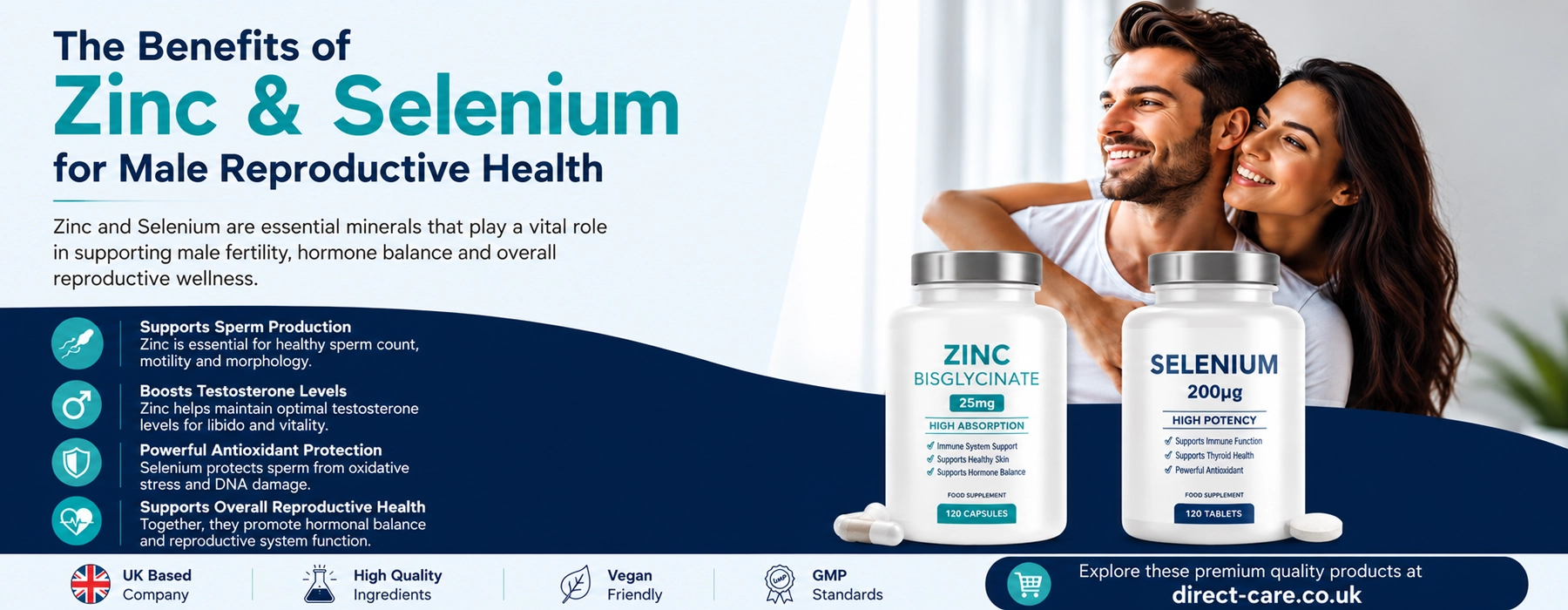
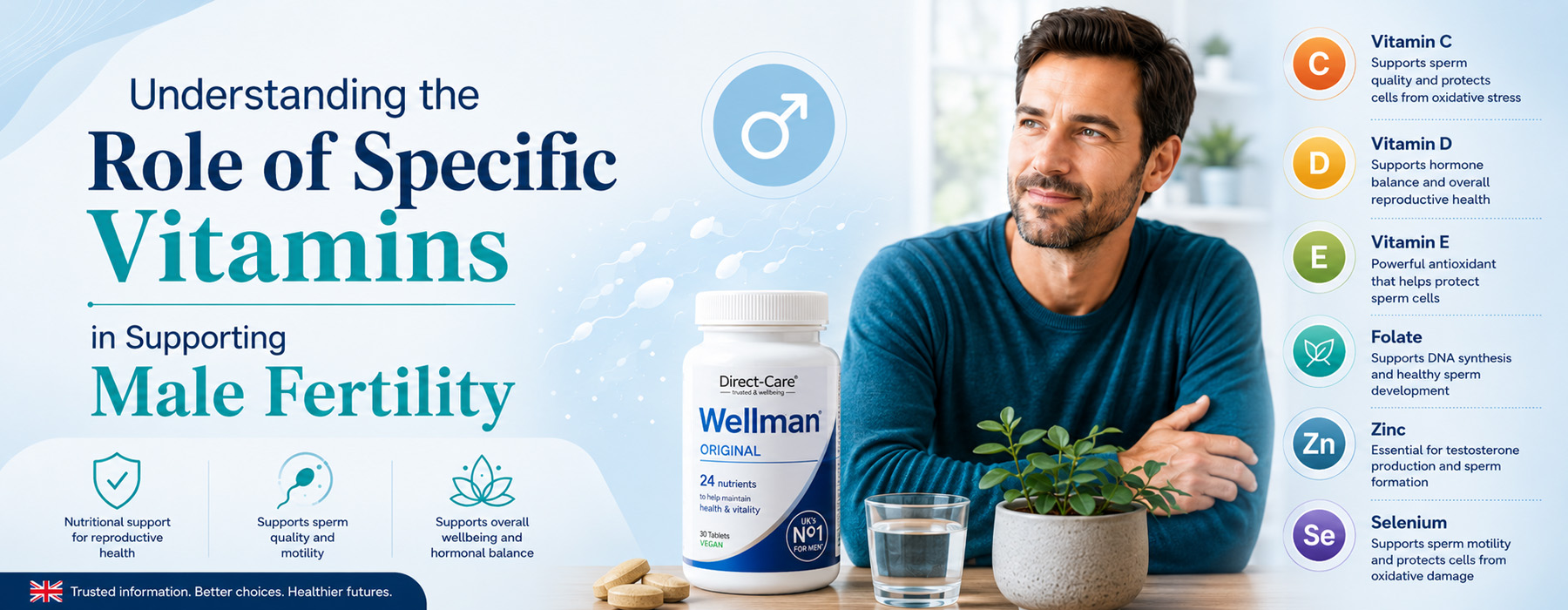
Zinc: This mineral is perhaps the most famous contributor to male health, essential for the production of testosterone and maintaining the structural integrity of sperm; adequate zinc levels are vital for supporting both healthy sperm count and motility.
-
Selenium: Often less discussed, selenium acts as a powerful antioxidant that helps shield sperm from oxidative damage; it is integral to the structural integrity of the sperm tail, which directly influences how well the sperm can navigate toward the egg.
-
Vitamin D: Emerging research consistently links adequate Vitamin D levels to healthy testosterone production, and there is growing evidence that this "sunshine vitamin" also plays a direct role in improving sperm mobility and overall reproductive capacity.
-
Folic Acid (Vitamin B9): While often associated with female pregnancy, folate is equally crucial for men; it is essential for proper DNA synthesis and cellular division, processes that occur rapidly during the maturation of sperm.
-
Vitamins C and E: These vitamins function as potent antioxidants that work in tandem to scavenge free radicals; by neutralising these harmful molecules, they provide a protective barrier that shields sperm from the negative impacts of environmental and lifestyle-related stress.
-
Coenzyme Q10 (CoQ10): This compound is essential for energy production within the mitochondria of sperm cells; since sperm require significant energy to travel, CoQ10 levels are directly tied to how effectively they can swim (motility).
3. Addressing Oxidative Stress and Lifestyle Factors
-
The testes are uniquely susceptible to oxidative stress, which is widely recognised as a primary driver of DNA fragmentation—a condition where the genetic material in sperm becomes damaged, hindering fertilisation.
-
Modern lifestyle factors are significant contributors to this stress; smoking, excessive alcohol consumption, and a sedentary lifestyle are proven to deplete the body’s store of antioxidants, thereby increasing the physiological need for higher levels of dietary protection.
-
While a balanced diet should always be the foundation of health, even the most diligent eaters can struggle to obtain optimal, "fertility-specific" levels of every nutrient, which is where targeted supplementation becomes a strategic advantage.
-
Adopting a "fertility-first" mindset involves more than just pills; it requires daily habits such as reducing highly processed foods and increasing the density of fresh, nutrient-rich produce to support superior reproductive outcomes.
4. Integrating Supplements Safely and Effectively
-
Supplements should be viewed as one pillar of a holistic health strategy rather than a "quick fix" for fertility; they work most effectively when combined with good sleep hygiene, stress management, and regular movement.
-
When choosing supplements, look for high-quality, bioavailable forms of vitamins, as these are formulated to be absorbed by the body more efficiently than synthetic, low-grade alternatives.
-
It is strongly recommended that men consult with their GP or a fertility specialist before starting any new regimen, particularly if they have pre-existing health conditions, hormonal imbalances, or are currently taking prescribed medication.
-
Comprehensive men's formulations provide significant value by covering a spectrum of needs; they are designed to ensure no single nutrient is overloaded to the point of toxicity while others remain deficient, creating a balanced physiological environment.
5. Taking Action: Supporting Your Health
-
Understanding the science behind these vitamins is an empowering process that helps remove the unnecessary stigma and confusion often associated with men’s reproductive health in society.
-
Develop the habit of reading product labels carefully; ensure that your chosen supplements contain clinically relevant doses of the key nutrients—like Zinc and Selenium—discussed throughout this guide.
-
Taking control of your nutritional health is a positive, proactive step toward achieving better overall vitality and long-term wellness, regardless of where you are in your fertility journey.
-
We invite you to explore the Direct Care range of supplements, which have been specifically designed to provide targeted, reliable nutritional support for men’s reproductive health.
A Proactive Approach to Fertility
Supporting male fertility is not about magic solutions; it is about the combination of understanding how specific nutrients protect sperm health and committing to lifestyle habits that actively reduce oxidative stress. By providing your body with the fundamental tools it needs to function at its peak, you are investing in your future health and reproductive potential. Remember that consistent, high-quality nutritional support is an investment that yields long-term rewards. We encourage you to browse our collection to find the right nutritional support for your health journey.