Dry skin often complains after cleansing. The face feels tight, flakes look more obvious, and lips can feel drier once the routine ends. That does not mean cleansing is the problem. The wrong cleansing step is usually the problem. A cleansing balm can help dry skin when it removes makeup, SPF and daily build-up without harsh rubbing. The key sits in texture, ingredients, rinse feel and aftercare. This guide explains how to choose a cleansing balm for dry skin types and how to support the face and lips after cleansing.
Why Dry Skin Needs A Softer Cleansing Routine
- Dry skin reacts quickly to harsh cleansing: Skin can feel tight when a cleanser removes too much surface oil. That tight feeling often shows the routine does not suit the skin, even if the face looks clean.
- The skin barrier needs respect: Dry skin needs cleansing that removes build-up without leaving the face rough or uncomfortable. A routine that feels clean but tight may create more dryness by the next morning.
- Foaming products can feel too strong: Some face washes suit oily or combination skin, but dry skin may prefer cream, balm or lotion-style textures. A low-foam option often feels calmer during evening cleansing.
- Daily SPF still needs proper removal: Dry skin still collects sunscreen, makeup, pollution, sweat and skincare residue. A richer cleanser can lift these layers without forcing the user to scrub.
- Comfort matters after rinsing: A good dry skin cleanser leaves the face ready for moisturiser, not desperate for it.
What A Cleansing Balm Does For Dry Skin
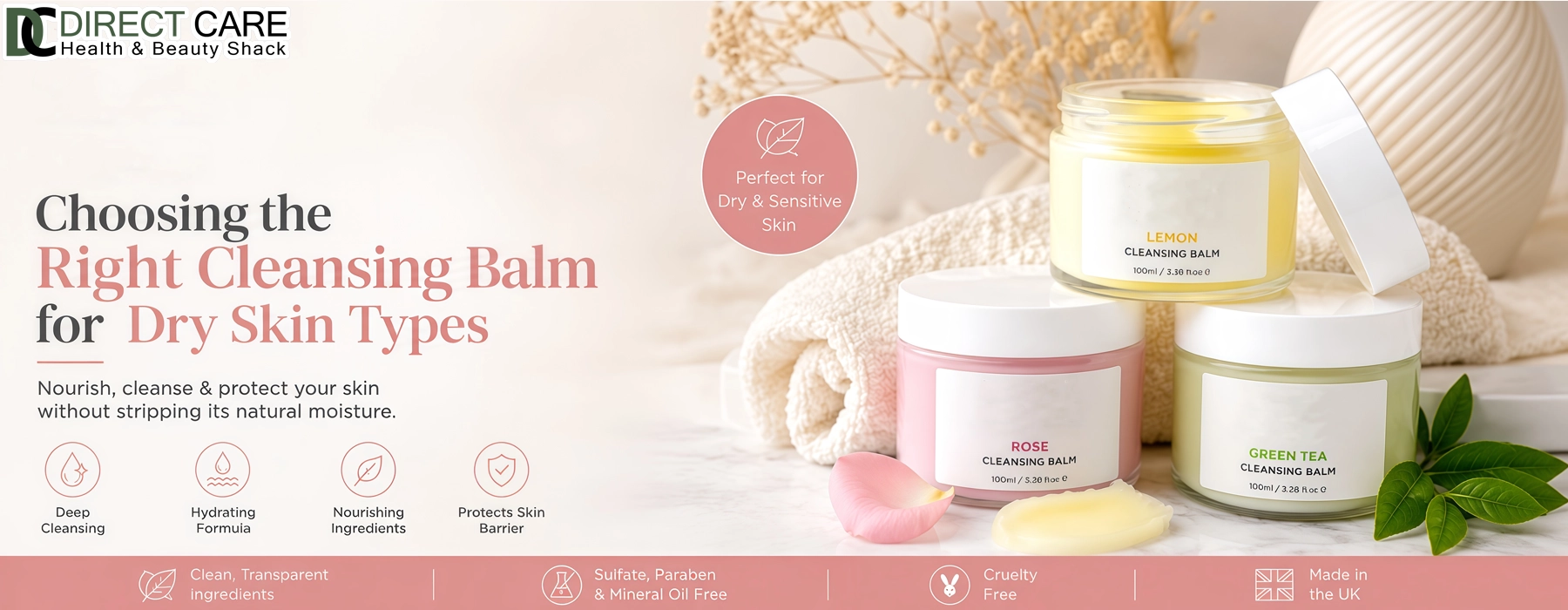
- It breaks down surface build-up: A cleansing balm helps loosen makeup, SPF, excess oil and daily grime. This makes it useful for evening skincare, especially after wearing sunscreen or foundation.
- It gives the fingers more slip: The balm texture lets the hands glide across the face. This reduces rubbing around dry patches, cheeks, nose creases and areas where skin feels delicate.
- It suits a slower night routine: Many people use cleansing balm at night because it gives enough time to massage the skin gently and remove the day before applying moisturiser.
- It can support double cleansing: A balm can work as the first cleanse. A gentle second cleanser can follow if the skin still feels coated or if makeup sits heavily on the face.
- It does not need to feel greasy: The right balm melts well and rinses clean enough for the skin type. Dry skin needs comfort, not a heavy film that feels hard to remove.
Look For Ingredients That Support Comfort
- Choose a texture that feels cushioned: Dry skin often prefers a balm that softens quickly between the fingers and spreads without dragging. A stiff balm can make users rub harder than they need.
- Check for moisture-supporting ingredients: Ingredients such as glycerin, ceramides, panthenol, oat-based ingredients, plant oils or shea-style textures often suit dry skin routines. They help the cleanse feel less stripping.
- Be careful with strong fragrance: Some dry skin types react to heavily scented products. A mild or fragrance-free formula may suit people who notice stinging, redness or tightness after cleansing.
- Look at the rinse feel: A balm for dry skin should rinse without leaving the face squeaky. “Squeaky clean” often means the routine has gone too far for this skin type.
- Choose by skin response, not packaging: The best cleansing balm is the one that leaves the face calm, clean and ready for the next step.
Avoid Cleansing Balms That Make Dryness Worse
- Avoid rough exfoliating particles: Dry patches do not need scrubbing during cleansing. Gritty textures can make flaky areas look worse and leave the face feeling sore.
- Avoid formulas that sting on contact: A short tingle may seem harmless, but regular stinging suggests the product does not suit the skin. Cleansing should feel comfortable from the start.
- Avoid over-cleansing: Using a balm, face wash, scrub and toner in the same routine can leave dry skin unsettled. One effective cleanse often works better than several aggressive steps.
- Avoid heavy residue if it bothers your skin: Some balms leave a rich layer after rinsing. That may suit very dry skin, but it may feel too much for people who prefer a clean finish.
- Avoid changing everything at once: Add one new product at a time. This makes it easier to see how dry skin responds.
Match The Balm To Your Daily Routine
- For makeup wearers: Choose a cleansing balm that removes foundation, concealer, mascara and long-wear products with gentle massage. The aim is to lift makeup without pulling the skin.
- For daily SPF users: A balm can help remove sunscreen at night. This matters because SPF can cling to the skin and may need more than a splash of water.
- For simple skincare routines: If you wear little makeup, a light balm may be enough in the evening. Follow with moisturiser while the skin still feels comfortable.
- For double cleansing routines: Use the balm first, then follow with a gentle face cleanser if residue remains. The second cleanse should stay mild so the routine does not strip the skin.
- For seasonal dryness: Skin often feels drier in cold weather, indoor heating or windy conditions. A balm may feel more useful during those months than during warmer periods.
Use Cleansing Balm Without Stripping The Skin
- Start with dry hands and dry skin: A balm usually works best before water touches the face. Massage it over the skin so it can loosen SPF, makeup and build-up.
- Use light pressure: Let the texture do the work. Dry skin does not benefit from hard rubbing, especially around cheeks, lips, nose edges and the eye area.
- Add warm water gradually: Water helps the balm loosen and rinse away. Very hot water can make dry skin feel tighter, so warm water suits this step better.
- Remove gently: A soft cloth can help if the balm needs more removal, but avoid dragging the cloth across the face. Press and sweep with care.
- Moisturise soon after cleansing: Dry skin loses comfort quickly after washing. Apply moisturiser while the face still feels calm and slightly fresh from cleansing.
Know When A Gentle Cleanser May Suit Better
- Some skin prefers cream cleansers: A cream or lotion cleanser may suit people who dislike balm textures or feel coated after use.
- Very reactive skin needs a simple routine: If the face often stings, flushes or feels sore, a shorter ingredient list may feel safer than a rich balm with many extras.
- Morning cleansing can stay light: Dry skin may not need a full balm cleanse in the morning. A gentle rinse or mild cleanser may suit better if the skin feels comfortable.
- The routine can change with products: Heavy SPF, makeup and long-wear products may call for balm cleansing. A makeup-free day may need less.
- Skin comfort decides the right option: A cleansing balm is useful, but it is not the only route. Dry skin care works best when the routine suits the person using it.
Support Dry Skin After Cleansing
- Moisturiser completes the cleanse: Cleansing removes build-up. Moisturiser helps restore comfort. Dry skin often feels better when this step follows quickly.
- Face creams and balms can help at night: Richer textures may suit dry patches during evening routines, especially when the face feels tight after a long day.
- Lip care belongs in the routine: Dry skin routines often miss the lips, even though lips can feel cracked, tight or exposed after cleansing. A balm helps keep this area comfortable.
- SPF matters during the day: Dry skin still needs sun protection. Lips need attention too, especially during bright weather, travel, cold wind or outdoor routines.
- Aftercare keeps the routine balanced: A good cleanse prepares the skin. Moisturiser and lip protection help keep the result comfortable.
Common Mistakes To Avoid
- Choosing by trend alone: A popular cleansing balm may not suit dry skin. Texture, rinse feel and skin comfort matter more than online noise.
- Using too much product: More balm does not always mean cleaner skin. A small amount, massaged well, often works better than a heavy layer.
- Skipping the rinse step: Some residue may feel soothing at first, but too much can sit on the skin. Rinse well enough for your face to feel clean and comfortable.
- Forgetting the lips: Cleansing around the mouth can leave the lip area feeling dry. Keep a lip balm close so aftercare becomes automatic.
- Ignoring repeated discomfort: If the same product leaves the face tight, red or sore several times, it probably does not suit your skin.
How Direct Care Supports Dry Skin Routines
- Direct Care offers everyday personal care choices: The site carries health, beauty and personal care products across skincare, lip care, toiletries and other daily-use categories.
- Face care and lip care work together: Dry skin routines often need more than one product. Cleansing, moisturising and lip protection all help create a routine that feels complete.
- The lip protection range supports daily aftercare: Direct Care’s lip protection selection includes branded balms, SPF lip care, repair-focused options, lip oils and multipacks for regular use.
- Known brands help shoppers choose with more confidence: The range includes familiar names across lip care such as Blistex, Carmex, ChapStick, Derma V10, Dr. PawPaw, Eucerin, Lypsyl, Neutrogena and Nivea.
- Value-led shopping supports routine products: Dry skin care often needs regular use, so affordable options, multipacks and sale lines can help shoppers keep essentials ready.
Choose A Balm That Cleans Without Leaving Skin Tight
- Dry skin needs balance: The aim is to remove daily build-up without leaving the face rough, tight or uncomfortable.
- Texture matters from the first touch: A good cleansing balm gives enough slip, melts easily and rinses in a way that suits your skin.
- Routine fit matters more than a label: Makeup use, SPF habits, sensitivity, season and aftercare all influence the right choice.
- The face and lips need care together: A dry skin routine feels more complete when it includes cleansing, moisturising and lip protection.
- Start simple and watch the response: Choose one gentle option, use it consistently and check how your skin feels after cleansing.
Shop Personal Care Essentials At Direct Care
Shop personal care essentials at Direct Care and build a routine that suits dry skin from cleansing to aftercare. Browse branded skincare, gentle cleansing options, moisturising products and lip protection for daily comfort, cold weather, sun exposure and dry patches. Direct Care offers everyday health, beauty and personal care products, including trusted lip balm brands, SPF lip care, multipacks and sale lines, with UK delivery options for easier restocking. Choose products that fit your skin, routine and budget, then keep them close at home, work or in your bag, so dry skin and lips get steady care and needed support.