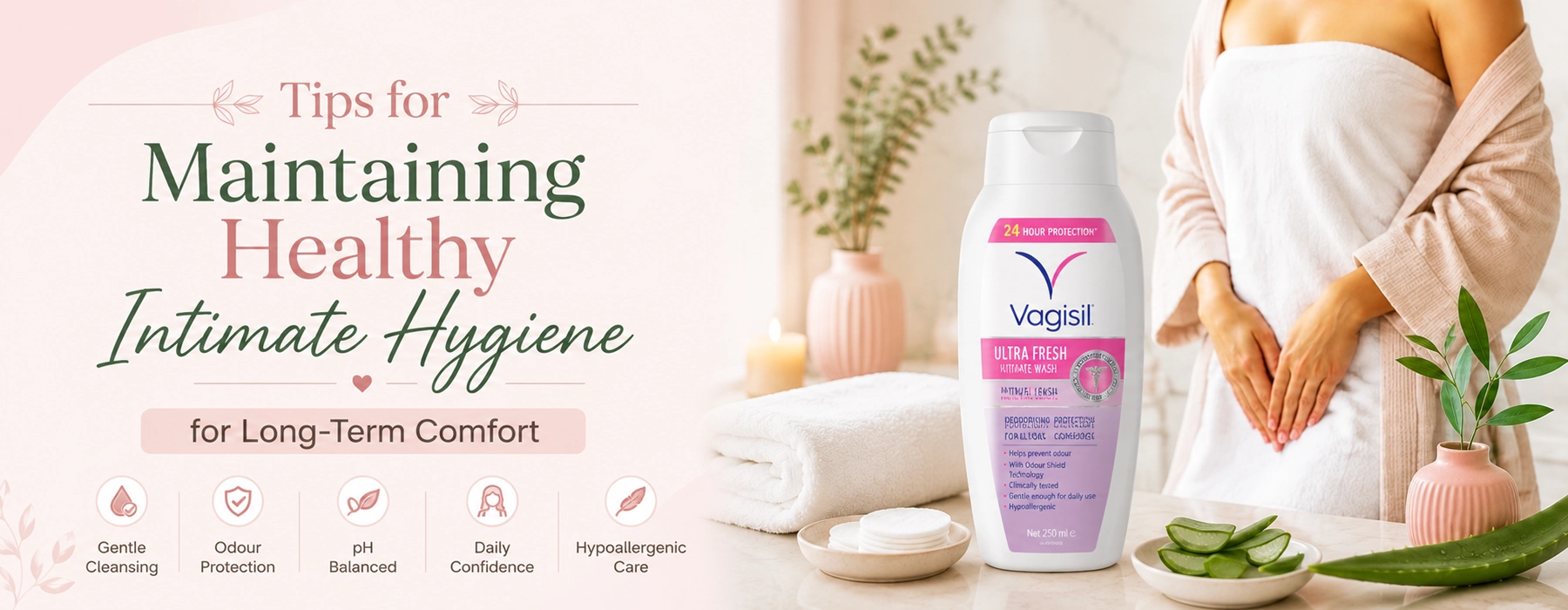
Tips for Maintaining Healthy Intimate Hygiene for Long-Term Comfort
Daily intimate hygiene dictates your long-term physical comfort. Many individuals unknowingly disrupt the natural defences of the skin by using standard scented body washes, triggering severe irritation hours later. We provide clear, actionable tips to help you build a safe, gentle hygiene routine. At Direct Care, we stock scientifically formulated products to support the specific needs of your body. Understanding how your intimate area functions allows you to make informed purchasing decisions about your daily care. Implementing small changes to your washing habits, clothing choices, and active routines prevents discomfort entirely. We focus on factual, preventative care to ensure you remain completely comfortable every single day. Read our comprehensive guide on maintaining healthy intimate hygiene for long-term comfort.
1. Wash with pH-Balanced Intimate Cleansers
The intimate area features a specific, slightly acidic environment, typically resting between a pH of 3.8 and 4.5. This natural acidity actively protects the body against harmful pathogens and prevents common bacterial infections. Standard shower gels, bubble baths, and fragranced soaps contain strong alkaline ingredients. These ingredients raise this pH level up to an 8 or 9, stripping away the protective barrier. We recommend switching to dermatologically tested, soap-free intimate washes. These dedicated products cleanse the skin thoroughly without causing dryness or itching.
-
Standard body soaps contain harsh alkaline ingredients responsible for destroying the natural acid mantle.
-
An elevated pH level creates an ideal environment where harmful bacteria and yeast multiply rapidly across the skin.
-
The intimate area relies heavily on good bacteria, known as lactobacilli, to maintain its acidic defence system.
-
Unscented, pH-balanced washes support this existing flora and prevent unwanted odours naturally without masking them.
-
Applying a small amount of a dedicated wash during your daily shower maintains the protective acid mantle perfectly.
-
Rinsing the product away thoroughly with lukewarm water prevents any chemical residue from sitting on the skin.
-
Direct Care provides an extensive range of gynaecologically tested foams and gels designed specifically for daily maintenance.
-
Selecting a wash with natural soothing ingredients, such as aloe vera or chamomile extract, provides extra relief for sensitive skin.
-
Avoiding bath bombs and scented bubble baths protects the delicate vulva from artificial dyes and heavy perfumes.
-
Using the correct cleanser saves you from requiring expensive, over-the-counter medical treatments later in the month.
2. Stick to Cleansing the External Areas Only
The internal intimate area functions as a highly efficient, self-cleaning biological system. The vagina naturally produces varying levels of cervical mucus to flush out dead cells and maintain internal cleanliness continuously. It requires zero internal washing or manual interference. Using commercial douches or internal sprays removes the healthy bacteria required to prevent infections. You only need to wash the external vulva gently to achieve optimal hygiene.
-
Focus your daily washing strictly on the external skin folds to clear the buildup of sweat and naturally occurring secretions.
-
Use a soft, clean hand instead of rough flannels or abrasive loofahs to prevent micro-tears on the delicate external tissue.
-
Wash your hands thoroughly with soap before touching the intimate area to prevent the introduction of foreign, harmful bacteria.
-
Pat the skin dry with a clean cotton towel instead of rubbing it to prevent severe friction damage.
-
Ensure the entire area remains completely dry before getting dressed to stop moisture from becoming trapped against the skin.
-
Trim intimate hair rather than shaving completely to reduce the risk of razor burn, ingrown hairs, and bacterial entry points.
-
Leave the internal environment alone to guarantee your body manages its own natural health effectively.
-
Understand the difference between the vulva and the vagina to ensure you apply products only to the safe external regions.
-
Consult a medical professional if you experience unusual odours, rather than attempting to wash the internal canal.
-
Rely on natural biological processes to maintain internal health rather than using invasive cosmetic products.
3. Wear Breathable, 100% Cotton Underwear
Your daily clothing choices directly influence your intimate health and comfort. Synthetic fabrics trap heat and moisture against the skin throughout the day. This creates an ideal environment for bacteria and yeast to thrive uncontrollably. We suggest wearing 100% cotton underwear daily. Natural cotton fibres absorb excess moisture and pull it away from the body efficiently, allowing proper airflow and keeping the skin completely dry.
-
Polyester and nylon materials block essential air circulation and cause sweat to pool directly around the intimate area.
-
Trapped moisture softens the delicate skin and increases the risk of severe chafing during normal daily movement.
-
Natural cotton fibres absorb excess moisture and pull it away from the body highly efficiently.
-
Keeping the skin dry prevents the development of fungal infections, persistent itching, and unmanageable odours.
-
Reserve synthetic lace or tight-fitting shapewear for occasional use to protect your long-term daily comfort.
-
Wear loose-fitting trousers or flowing skirts to allow fresh air to circulate freely around the pelvic region.
-
Sleep without underwear entirely to provide the skin with several hours of unobstructed airflow during the night.
-
Wash your underwear using non-biological, fragrance-free laundry detergents to prevent chemical residues from causing contact dermatitis.
-
Avoid fabric softeners on your underwear to prevent a waxy, unbreathable coating from forming on the cotton fibres.
-
Replace your cotton underwear every six to twelve months to ensure the fabric maintains its maximum breathability and hygiene standards.
4. Change Out of Damp Workout Clothes Immediately
Sweating during exercise or physical work introduces specific, aggressive hygiene challenges. Sitting in damp gym clothes or swimwear alters the local pH balance rapidly. The combination of sweat and tight fabric causes severe skin friction and traps bacteria. You need to shower immediately after working out to protect sensitive skin from sustained irritation and infection.
-
Sweat contains salt and trace minerals irritating the vulva when left on the skin for extended periods.
-
Tight activewear compresses the skin and forces bacteria into the hair follicles, causing painful, inflamed ingrown hairs.
-
Shower with a gentle intimate wash immediately after exercise to remove sweat before bacteria multiply.
-
Change into dry, loose-fitting clothes to provide immediate relief if a shower remains unavailable at your local gym.
-
Wash your activewear after every single use to ensure no residual bacteria transfer back to your body during the next workout.
-
Remove wet swimsuits immediately after swimming to stop harsh pool chlorine or sea salt from drying out the intimate tissue.
-
Apply a soothing barrier cream before cycling or running to prevent severe friction burns on the external skin folds.
-
Choose activewear designed specifically with a breathable cotton gusset to provide an extra layer of protection during intense physical activity.
-
Wipe gym equipment down before use to prevent the transfer of environmental bacteria directly to your workout clothing.
-
Maintain this strict post-workout routine to guarantee you avoid the painful consequences of trapped moisture and heat.
5. Rely on Alcohol-Free Wipes for On-the-Go Care
Managing freshness during long work shifts, travel, or menstruation requires a balanced, practical approach. Washing multiple times a day in the shower dries out the delicate skin entirely. Excessive washing causes painful micro-tears and strips away the natural oils of the body. We recommend carrying pH-balanced, alcohol-free intimate wipes. These products provide a quick, safe refresh when you stay away from home without disrupting your acid mantle.
-
Standard baby wipes contain harsh alcohol and heavy fragrances burning sensitive intimate tissue on direct contact.
-
Biodegradable intimate wipes provide a gentle cleansing action without disrupting the natural acid mantle of the skin.
-
Use a single wipe to effectively remove sweat and odour-causing bacteria during long, uncomfortable transit periods.
-
Wipe strictly from front to back to prevent the transfer of harmful intestinal bacteria toward the vulnerable vulva.
-
Use an intimate wipe during menstrual product changes to keep the external skin perfectly clean and comfortable.
-
Direct Care stocks individually wrapped wipes fitting discreetly into any travel bag, handbag, or office work locker.
-
Dispose of biodegradable wipes in the bin rather than flushing them to protect local plumbing and vital environmental systems.
-
Keep a pack of intimate wipes in your desk drawer to provide a reliable hygiene solution during unexpected overtime.
-
Rely on these wipes to ensure you maintain your hygiene standards without relying on overly frequent, damaging showers.
-
Select wipes enriched with aloe vera to soothe the skin instantly during hot summer days.
6. Select Appropriate Menstrual Products
Menstruation introduces unique challenges to your daily hygiene routine. The presence of blood alters the pH balance of the intimate area, making it less acidic and more susceptible to bacterial overgrowth. Choosing the correct menstrual products dictates your comfort levels throughout your cycle. We advise using unscented, breathable products and changing them frequently to maintain a clean, dry environment.
-
Change sanitary pads and tampons every four to eight hours to prevent the rapid multiplication of bacteria.
-
Select unscented menstrual products to avoid exposing the delicate vulvar tissue to harsh synthetic fragrances.
-
Use completely organic cotton pads and tampons to ensure maximum breathability and reduce the risk of contact dermatitis.
-
Match the absorbency level of your tampon strictly to your current flow to prevent the material from drying out the vaginal wall.
-
Sterilise reusable menstrual cups in boiling water between cycles to eliminate all residual bacteria completely.
-
Wash your hands thoroughly with soap and water before and after inserting or removing any internal menstrual product.
-
Use a pH-balanced intimate wash specifically during your period to help restore the natural acidic environment.
-
Avoid wearing tight synthetic clothing during your cycle to prevent additional heat buildup and friction.
-
Keep track of your cycle using a calendar to ensure you carry the necessary hygiene supplies with you at all times.
-
Switch to external pads during the night to reduce the risk of toxic shock syndrome and allow the internal tissue to rest.
Shop Intimate Care Essentials
Maintaining your sensitive intimate health requires a gentle daily routine and scientifically formulated products. Standard household soaps disrupt your natural pH balance and cause unnecessary daily discomfort. At Direct Care, we stock a comprehensive range of dermatologically tested intimate washes, soothing moisturisers, and targeted treatments. These products actively protect your delicate skin and support your body. We provide discreet, fast delivery straight to your door. Explore our full selection of premium intimate care products. Take control of your long-term comfort today and find the exact health solutions you require for your personal daily hygiene maintenance care routine.