Bite & Sting Relief
Showing all 6 results
-
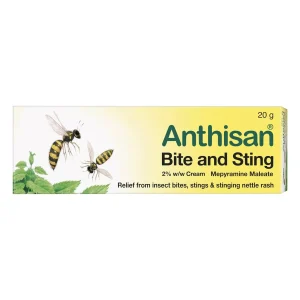
Anthisan Bite and Sting Cream 20g
(5 )£4.99 Add to cart -
24% OFF

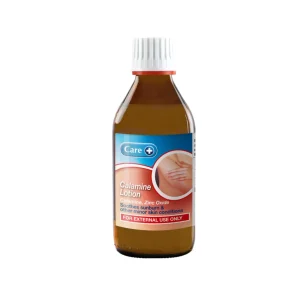
Care Calamine Lotion 200ml
Leave a review Original price was: £3.39.£2.59Current price is: £2.59. Add to cart -
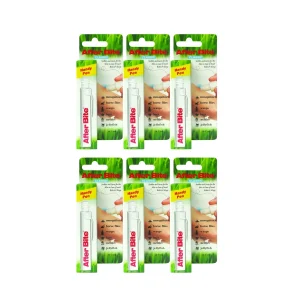
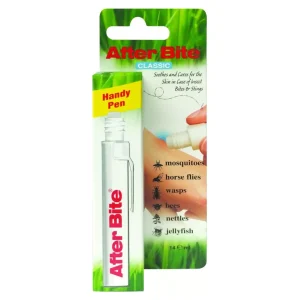
After Bite Classic 14ml Pen – 6 Pack
Leave a review £19.25 Add to cart -

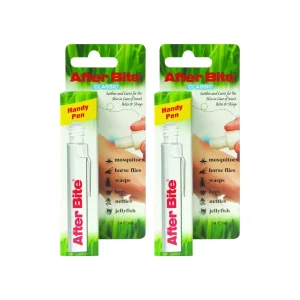
2x After Bite Classic 14ml Pen
Leave a review £6.49 Add to cart -
After Bite Classic – 14ml Pen
(1 )£3.29 Add to cart -
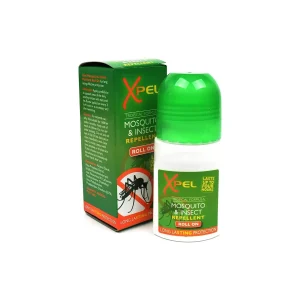
Xpel Mosquito and Insect Repellent Roll On 75 ml
Leave a review £1.35 Out of stock
Shop Bite & Sting Relief For Fast, Soothing Care
Manage common insect bites and stings with products designed to ease itch, pain, redness, and local swelling, so you can get back to normal daily activities quickly. This category focuses on short-term self-care for minor reactions to insect bites and stings, with clear on-label guidance to support safe use at home.
What this category covers
Bite and sting relief products are typically used for minor reactions to mosquitoes, midges, flies, fleas, bedbugs, horseflies, and non‑severe wasp or bee stings. Symptoms usually include local itch, redness, a small swollen area, and mild discomfort around the bite or sting site. These products are not intended to treat severe allergic reactions or systemic symptoms; those require urgent medical care.
Main product types and how they help
- Antihistamine creams and gels: Topical antihistamines help reduce itch and mild redness at the bite site by blocking histamine locally in the skin. They are commonly used for small, itchy bites when there is no broken skin.
- Mild topical steroid creams (e.g. hydrocortisone 1%): Mild steroids can reduce short‑term inflammation, redness, and itch in more irritable bites or localised reactions, used for limited periods on intact skin as per the label and pharmacist advice.
- Soothing and cooling gels: Gels with cooling or soothing ingredients (for example, products positioned as “bite and sting relief gels”) can ease discomfort, calm irritation, and discourage scratching by providing a cooling sensation.
- Antiseptic creams or sprays: These may help reduce the risk of infection where the skin has been scratched or slightly broken, supporting basic wound hygiene around the bite or sting site.
- Insect repellents and barrier products: Repellents and barrier preparations are used on exposed skin or clothing to reduce the likelihood of new bites in future, especially during travel, outdoor activities, or high‑insect seasons.
How to choose by symptom
- Mainly itching with small red bumps: Prefer a topical antihistamine cream or gel for local itch relief, and avoid applying to broken or extensively scratched skin.
- Redness and mild swelling can be irritating: A short course of mild steroid cream (such as hydrocortisone 1%) may be suitable if permitted by the label, particularly for more inflamed areas.
- Burning, hot, or very irritated skin: Cooling or soothing gels can be helpful to calm the area and reduce the urge to scratch; these can be used alongside other treatments if labels allow.
- Scratched or at‑risk skin: Consider an antiseptic cream or spray around, but not deep within, minor breaks in the skin to support cleanliness and reduce infection risk.
- Frequent bites when outdoors: Repellent sprays, roll‑ons, or lotions can be used in advance to lower the chance of new bites; these are preventive rather than treatment products.
How to use safely
- Always follow the instructions on the product label regarding how often and how long to apply.
- Do not use topical products on broken, extensively damaged, or heavily infected skin unless the label specifically permits this.
- Avoid contact with eyes, mouth, and mucous membranes; wash hands after application.
- Do not exceed the recommended duration of use for mild steroid creams; prolonged or excessive use can cause skin thinning or other unwanted effects.
- Check any age restrictions, pregnancy or breastfeeding advice, and medicine interaction warnings were provided.
- If you are using oral antihistamines or painkillers alongside topical products, ensure there is no duplication of active ingredients and that the combination is appropriate for your health circumstances.
When to seek urgent or further medical help
- Seek emergency help immediately if you develop signs of a severe allergic reaction after a bite or sting, such as difficulty breathing, swelling of the face or throat, feeling faint, or a rapidly spreading rash.
- Contact a doctor or pharmacist if a bite or sting area becomes increasingly red, hot, swollen, or painful, or starts to produce pus, as this may indicate infection.
- Speak to a healthcare professional if symptoms are large, persistent, or recurrent, or if you have a history of significant allergic reactions to bites or stings.
- If a sting (for example, from a bee) leaves a visible stinger in the skin, follow safe removal advice from trusted medical sources or seek help if you are unsure how to remove it correctly.
Shop Now
Choose the bite and sting relief products that best match your symptoms and the type of insect exposure you experience, then follow the label carefully for short‑term self‑care. Always read the label, use only as directed, and seek advice from a pharmacist or clinician if you are unsure which option is appropriate for you or if symptoms do not improve.