Brands

  • 1 3M
  • 1 Aactimed
  • 1 Aacu
  • 1 Acnecide
  • 1 Aero
  • 3 Aproderm
  • 2 Aquamax
  • 1 Arjun
  • 1 Attends
  • 1 Balneum
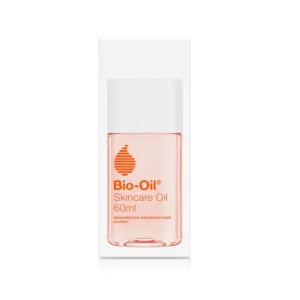
  • 1 Bio-oil
  • 2 Biore
  • 1 Brava
  • 1 Cantu
  • 5 Care
  • 7 Cetraben
  • 2 Clean & Clear
  • 1 Conotrane
  • 1 Cuticura
  • 5 Derma V10
  • 1 Dexeryl
  • 1 Doublebase
  • 4 E45
  • 6 Epaderm
  • 10 Epimax
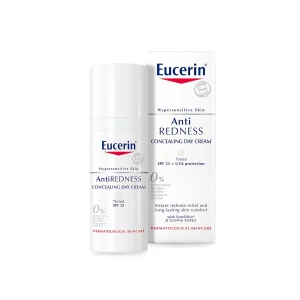
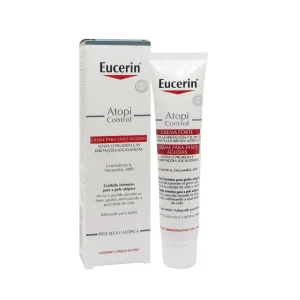
  • 3 Eucerin
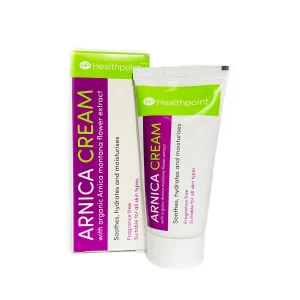
  • 1 Healthpoint
  • 3 Hydromol
  • 1 La Roche-Posay
  • 1 Mr Mozzie
  • 1 Nelsons
  • 1 Octenilin
  • 3 Oilatum
  • 9 Palmer'S
  • 1 Pernaton
  • 2 QV
  • 1 Savlon
  • 1 Snake Brand
  • 1 Sudocrem
  • 1 Witch
  • 4 Zeroderma
  • 1 Zerodouble
  • 1 ZEROVEEN

Price


Showing 1–24 of 97 results

Shop Skincare UK For Comfortable, Everyday Skin

Shop skincare essentials that support dry, sensitive, and everyday skin with straightforward routines built around gentle cleansing, replenishing moisture, and maintaining a healthy‑feeling barrier.
This category focuses on practical, pharmacy‑style skincare you can use day after day, with simple steps and clear usage guidance rather than complicated, trend‑driven routines.

What This Skincare Category Offers

This skincare range centres on daily care products such as cleansers, toners, serums, creams, lotions, balms, and masks designed to support skin comfort rather than short‑term “quick fixes.”
You’ll find options suited to dry, dehydrated, blemish‑prone, sensitive, and everyday skin, so you can build a small set of products that work together instead of an overwhelming collection you can’t keep up with.

Choose By Skin Need

Dry or Dehydrated Skin: If your skin feels tight, rough, or flaky, look for cream or balm cleansers and moisturisers that leave a soft, cushioned finish instead of a squeaky‑clean feel.
Hydrating toners or serums with humectants (such as glycerin and hyaluronic acid) can help draw in moisture before you seal it in with a richer cream.

Sensitive or Easily Irritated Skin: For skin that stings, reddens easily, or reacts to many products, choose minimal‑ingredient formulas labelled as suitable for sensitive skin. Gentle, fragrance‑free cleansers and basic moisturisers that focus on barrier support are usually easier to tolerate than heavily fragranced or strongly active products.

Blemish‑Prone or Oily Skin: If you regularly deal with spots or excess shine, pick lightweight gel or fluid textures labelled non‑comedogenic to help reduce the risk of clogged pores. Keep the routine simple: a mild cleanser and a light, oil‑controlling moisturiser are often more effective over time than constantly switching strong treatments.

Dull or Uneven‑Looking Skin: When skin looks flat or uneven, focus first on consistent cleansing and moisturising to remove surface buildup and keep texture smooth.
Targeted brightening serums can be added later if appropriate; avoid introducing several strong products at once, as this may increase the risk of irritation.

Everyday Maintenance: Even if you don’t have a specific concern, skin benefits from a basic cleanse‑and‑moisturise routine to remove daily buildup and prevent dryness.
Choose textures you enjoy using so you are more likely to stick with your routine morning and night.

Build A Simple Daily Routine

  1. Cleanse: Use a gentle cleanser once or twice daily to remove sweat, surface oil, and residue without leaving the skin feeling stripped or tight. Choose the texture that suits you: gels often feel lighter, creams provide more cushioning, and balm or oil cleansers can help dissolve heavier residue.
  2. Treat (Optional): Add a single targeted step—such as a hydrating or calming serum—only if you have a clear goal and your skin tolerates your basic routine well. Introduce one treatment at a time, using it a few times per week before moving to daily use, so you can spot any irritation early.
  3. Moisturise: Apply a moisturiser suited to your skin type and climate to keep skin comfortable and reduce dryness or tightness through the day. Lighter lotions usually suit normal to oily skin, while richer creams and balms can help support very dry or compromised‑feeling areas.
  4. Extras (Masks, Toners, Eye Products): Use masks or more intensive products occasionally—for example, once or twice a week—rather than every day unless the label states otherwise. Toners, eye creams, and other extras should support your main routine, not complicate it; if they cause stinging or redness, reduce frequency or stop use.

How To Choose Textures And Ingredients

Match texture to how your skin feels now, not just the label on the bottle: if skin is tight after washing, move to a creamier formula; if it feels heavy or greasy, try something lighter.
Look for supportive ingredients such as moisturising agents (like glycerin and hyaluronic acid), barrier‑helping lipids (such as ceramides and plant oils), and soothing components (like oat or panthenol) where suitable.

Avoid layering multiple strong actives (for example, several exfoliating or “peeling” products) in the same routine unless advised by a professional, as this may increase dryness, redness, or sensitivity.
If you are taking prescription treatments for skin conditions, check labels carefully and ask a pharmacist or clinician before adding new over‑the‑counter skincare products.

Safe And Appropriate Use

Always read the label before first use and follow the directions for how often and how much product to apply.
Consider patch‑testing new products on a small area for several days before using them more widely, especially if you have a history of sensitive or reactive skin.

Stop using a product and seek advice if you experience persistent burning, marked redness, swelling, or other symptoms that feel out of proportion to normal mild tingling.
If you have a long‑term skin condition (for example, eczema, psoriasis, rosacea, or severe acne), or if symptoms persist or worsen, speak to a pharmacist, nurse, or doctor for tailored guidance.

Start Your Skincare Plan Today

Begin with a small, manageable routine: one suitable cleanser, one moisturiser that matches your skin type, and optionally one simple hydrating or calming serum. Use your routine consistently for several weeks before changing products, so you can judge how your skin responds and add extras only when they genuinely help.

Always read labels and follow usage directions, and speak to a healthcare professional if you are unsure which skincare products are appropriate alongside any existing skin treatments or medicines.

Skincare

<div class="nutrition-scroll-box"> <h2><span style="font-weight: 400">Shop Skincare UK For Comfortable, Everyday Skin</span></h2> <span style="font-weight: 400">Shop skincare essentials that support dry, sensitive, and everyday skin with straightforward routines built around gentle cleansing, replenishing moisture, and maintaining a healthy‑feeling barrier.</span><span style="font-weight: 400"> </span><span style="font-weight: 400">This category focuses on practical, pharmacy‑style skincare you can use day after day, with simple steps and clear usage guidance rather than complicated, trend‑driven routines.</span> <h3><span style="font-weight: 400">What This Skincare Category Offers</span></h3> <span style="font-weight: 400">This skincare range centres on daily care products such as cleansers, toners, serums, creams, lotions, balms, and masks designed to support skin comfort rather than short‑term “quick fixes.”</span><span style="font-weight: 400"> </span><span style="font-weight: 400">You’ll find options suited to dry, dehydrated, blemish‑prone, sensitive, and everyday skin, so you can build a small set of products that work together instead of an overwhelming collection you can’t keep up with.</span> <h3><span style="font-weight: 400">Choose By Skin Need</span></h3> <b>Dry or Dehydrated Skin: </b><span style="font-weight: 400">If your skin feels tight, rough, or flaky, look for cream or balm cleansers and moisturisers that leave a soft, cushioned finish instead of a squeaky‑clean feel.</span><span style="font-weight: 400"> </span><span style="font-weight: 400">Hydrating toners or serums with humectants (such as glycerin and hyaluronic acid) can help draw in moisture before you seal it in with a richer cream.</span> <b>Sensitive or Easily Irritated Skin:</b><span style="font-weight: 400"> For skin that stings, reddens easily, or reacts to many products, choose minimal‑ingredient formulas labelled as suitable for sensitive skin. Gentle, fragrance‑free cleansers and basic moisturisers that focus on barrier support are usually easier to tolerate than heavily fragranced or strongly active products.</span> <b>Blemish‑Prone or Oily Skin:</b><span style="font-weight: 400"> If you regularly deal with spots or excess shine, pick lightweight gel or fluid textures labelled non‑comedogenic to help reduce the risk of clogged pores. Keep the routine simple: a mild cleanser and a light, oil‑controlling moisturiser are often more effective over time than constantly switching strong treatments.</span> <b>Dull or Uneven‑Looking Skin:</b><span style="font-weight: 400"> When skin looks flat or uneven, focus first on consistent cleansing and moisturising to remove surface buildup and keep texture smooth.</span><span style="font-weight: 400"> </span><span style="font-weight: 400">Targeted brightening serums can be added later if appropriate; avoid introducing several strong products at once, as this may increase the risk of irritation.</span> <b>Everyday Maintenance:</b><span style="font-weight: 400"> Even if you don’t have a specific concern, skin benefits from a basic cleanse‑and‑moisturise routine to remove daily buildup and prevent dryness.</span><span style="font-weight: 400"> </span><span style="font-weight: 400">Choose textures you enjoy using so you are more likely to stick with your routine morning and night.</span> <h3><span style="font-weight: 400">Build A Simple Daily Routine</span></h3> <ol> <li><b> Cleanse: </b><span style="font-weight: 400">Use a gentle cleanser once or twice daily to remove sweat, surface oil, and residue without leaving the skin feeling stripped or tight. Choose the texture that suits you: gels often feel lighter, creams provide more cushioning, and balm or oil cleansers can help dissolve heavier residue.</span></li> <li><b> Treat (Optional): </b><span style="font-weight: 400">Add a single targeted step—such as a hydrating or calming serum—only if you have a clear goal and your skin tolerates your basic routine well. Introduce one treatment at a time, using it a few times per week before moving to daily use, so you can spot any irritation early.</span></li> <li><b> Moisturise: </b><span style="font-weight: 400">Apply a moisturiser suited to your skin type and climate to keep skin comfortable and reduce dryness or tightness through the day. Lighter lotions usually suit normal to oily skin, while richer creams and balms can help support very dry or compromised‑feeling areas.</span></li> <li><b> Extras (Masks, Toners, Eye Products):</b><span style="font-weight: 400"> Use masks or more intensive products occasionally—for example, once or twice a week—rather than every day unless the label states otherwise. Toners, eye creams, and other extras should support your main routine, not complicate it; if they cause stinging or redness, reduce frequency or stop use.</span></li> </ol> <h3><span style="font-weight: 400">How To Choose Textures And Ingredients</span></h3> <span style="font-weight: 400">Match texture to how your skin feels now, not just the label on the bottle: if skin is tight after washing, move to a creamier formula; if it feels heavy or greasy, try something lighter.</span><span style="font-weight: 400"> </span><span style="font-weight: 400">Look for supportive ingredients such as moisturising agents (like glycerin and hyaluronic acid), barrier‑helping lipids (such as ceramides and plant oils), and soothing components (like oat or panthenol) where suitable.</span> <span style="font-weight: 400">Avoid layering multiple strong actives (for example, several exfoliating or “peeling” products) in the same routine unless advised by a professional, as this may increase dryness, redness, or sensitivity.</span><span style="font-weight: 400"> </span><span style="font-weight: 400">If you are taking prescription treatments for skin conditions, check labels carefully and ask a pharmacist or clinician before adding new over‑the‑counter skincare products.</span> <h3><span style="font-weight: 400">Safe And Appropriate Use</span></h3> <span style="font-weight: 400">Always read the label before first use and follow the directions for how often and how much product to apply.</span><span style="font-weight: 400"> </span><span style="font-weight: 400">Consider patch‑testing new products on a small area for several days before using them more widely, especially if you have a history of sensitive or reactive skin.</span> <span style="font-weight: 400">Stop using a product and seek advice if you experience persistent burning, marked redness, swelling, or other symptoms that feel out of proportion to normal mild tingling.</span><span style="font-weight: 400"> </span><span style="font-weight: 400">If you have a long‑term skin condition (for example, eczema, psoriasis, rosacea, or severe acne), or if symptoms persist or worsen, speak to a pharmacist, nurse, or doctor for tailored guidance.</span> <h3><span style="font-weight: 400">Start Your Skincare Plan Today</span></h3> <span style="font-weight: 400">Begin with a small, manageable routine: one suitable cleanser, one moisturiser that matches your skin type, and optionally one simple hydrating or calming serum. Use your routine consistently for several weeks before changing products, so you can judge how your skin responds and add extras only when they genuinely help.</span> <span style="font-weight: 400">Always read labels and follow usage directions, and speak to a healthcare professional if you are unsure which skincare products are appropriate alongside any existing skin treatments or medicines.</span> </div>

🛒 Add £35.00 more for Free Shipping!

Shopping cart0
There are no products in the cart!
Continue shopping
×